












Cable Design And Application
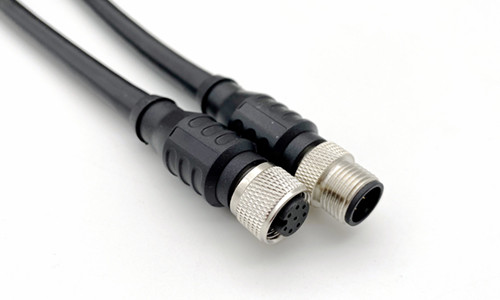
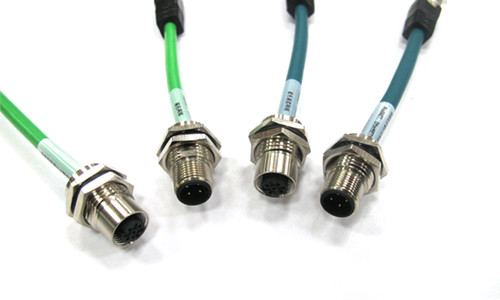
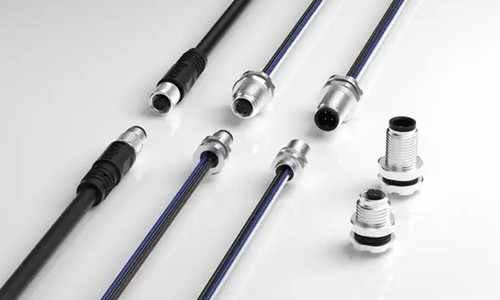
Circular connector cable design and application guide
In modern industrial and electronic equipment, circular connector cables play a crucial role. Not only for the transmission of power, signals and data, but also to maintain reliable performance in a variety of harsh environments. This paper will deeply discuss the design principles of circular connector cables and their wide application
Basic elements of cable design
1.1 Selection of conductor materials
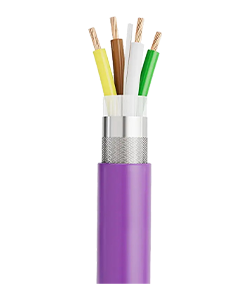
Conductor is the core part of the cable, and its material directly affects the electrical conductivity and service life of the cable. For most circular connector cables, copper is the material of choice because of its excellent electrical conductivity and good mechanical properties. Aluminum may also be used as an alternative material in some special situations, such as when weight or cost reduction is needed.
1.2 Importance of insulation layer
The main function of the insulation layer is to prevent current leakage and protect the internal conductors from the external environment. Choosing the right insulation material takes into account a number of factors, including operating temperature range, chemical resistance and flexibility. For example, in high temperature environments, silicone rubber or fluoroplastics may be a better choice; Under ordinary conditions, PVC (polyvinyl chloride) is enough to meet demand.
1.3 Application of shielding technology
In order to reduce the impact of electromagnetic interference (EMI) on signal quality, many circular connector cables are equipped with shielding layers. Common shielding methods include metal foil wrapping, woven mesh covering, or a combination of both. Effective shielding can not only improve the accuracy of data transmission, but also enhance the overall stability of the system.
1.4 Role of the sheath
As the outermost protective structure of the cable, the sheath plays a key role in resisting physical damage, UV radiation and chemical erosion. Depending on the specific application scenario, different types of sheath materials can be selected, for example, polyurethane (PU) is suitable for high abrasion resistance requirements, while LSZH (Low Smoke Zero Halogen) materials are more suitable for places with strict fire safety.
Translated with DeepL.com (free version)
Application areas for circular connector cables
2.1 Industrial automation
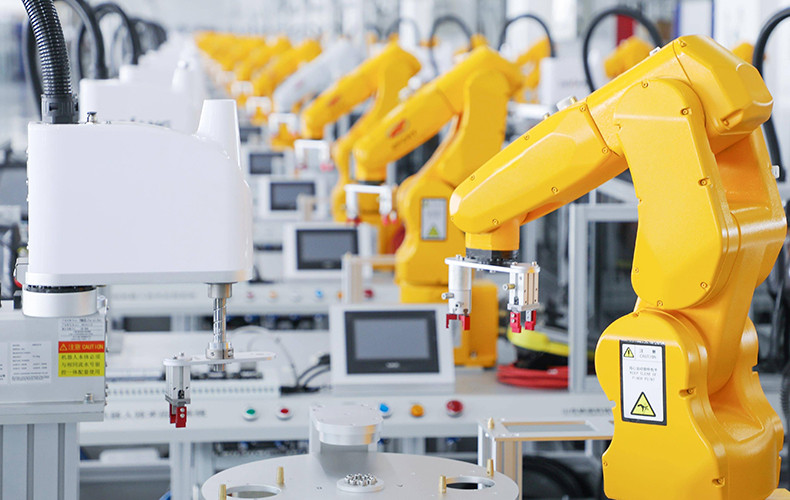
In industrial automation systems, M12 circular connector cables are favored for their excellent protection rating (up to IP67/IP68) and high-speed data transmission capabilities. These cables are commonly used to build industrial Ethernet networks that support real-time communication from sensors to controllers. In addition, their rugged design makes them ideal for working environments where vibration or other mechanical stresses are present.
2.2 Aerospace
The aerospace industry places extremely stringent requirements on connector cables, which need to be extremely reliable and resistant to harsh conditions. Here, M16 large pin count circular connector cables are widely used, especially where multiple signals need to be transmitted simultaneously. These cables are specially designed to withstand extreme temperature variations, high voltage differentials and strong vibration shocks.
2.3 Medical equipment
Circular connector cables for medical equipment must meet strict biocompatibility and electrical safety standards. M16 cable mounting connectors are a good example of this and are made from high-quality materials optimized for use in medical equipment and test and measurement instruments. These products typically have high voltage and current ratings and can be securely connected by solder termination.
2.4 Automotive
With the increasing level of automotive intelligence, the number of circular connector cables used in vehicles is also increasing. A case in point is the introduction of the M12 hybrid connector, which transmits data and power at the same time, greatly simplifying wiring complexity. This all-in-one solution is particularly suitable for electric vehicle charging interfaces or ADAS (Advanced Driver Assistance System) related applications.
Choosing the Right Circular Connector Cable
When faced with a multitude of options, how do you pick the best circular connector cable for your project's needs? Here are a few suggestions that may help:
Define the functional requirements: First of all, it is necessary to know clearly what type of data/signal transmission or power supply the cable will be used for, which will directly determine the selection of the subsequent parameters.
Evaluate the operating environment: Carefully analyze the characteristics of the potential operating environment, such as temperature range, humidity level, presence of corrosive substances, etc., in order to determine whether additional protective measures are required.
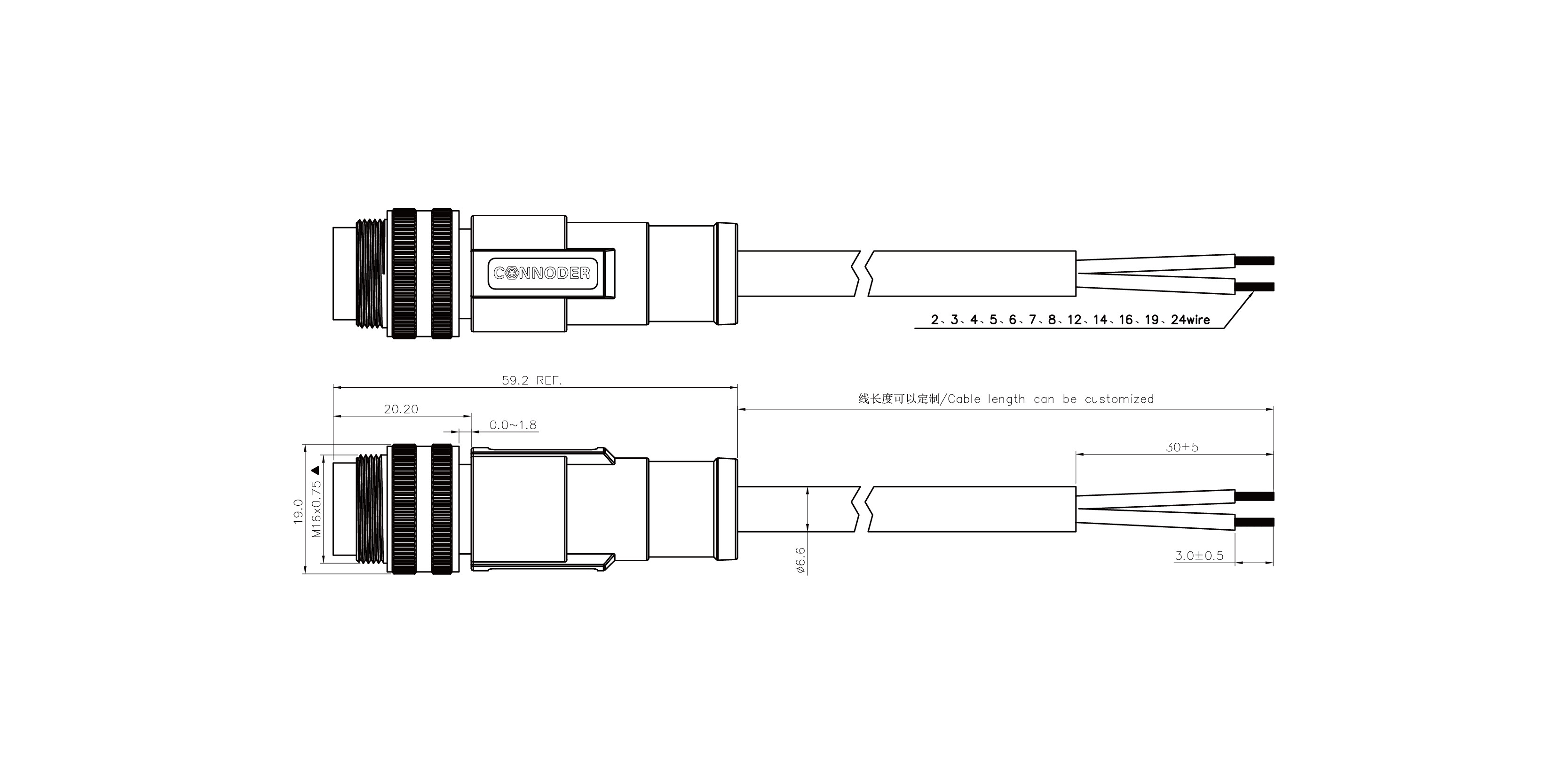
Check physical dimensional constraints: Considering the limitations of the installation space, it is sometimes necessary to pay special attention to the overall dimensional requirements of the connector.
Review the electrical parameters: accurately check the maximum voltage and current values required to be supported, as well as other relevant electrical indicators, to ensure that the selected model can fully meet the actual operational requirements.
Confirm interface standards compatibility: Ensure that the selected circular connector complies with established industry standards and allows for seamless interoperability with other components.
Consider long-term reliability: In addition to initial performance, focus on durability and consistency over the life of the product.