















Factors to Consider When Selecting Small M5 Connectors for a Project
Factors to Consider When Selecting Small M5 Connectors for a Project
Introduction
In modern industrial and electronic applications, selecting the right connector is essential for ensuring system performance, reliability, and longevity. For compact systems, M5 connectors are widely used due to their small size and precision. However, improper selection may lead to signal instability and increased maintenance costs. This guide explains the important factors for choosing M5 connectors and helps you make informed decisions.
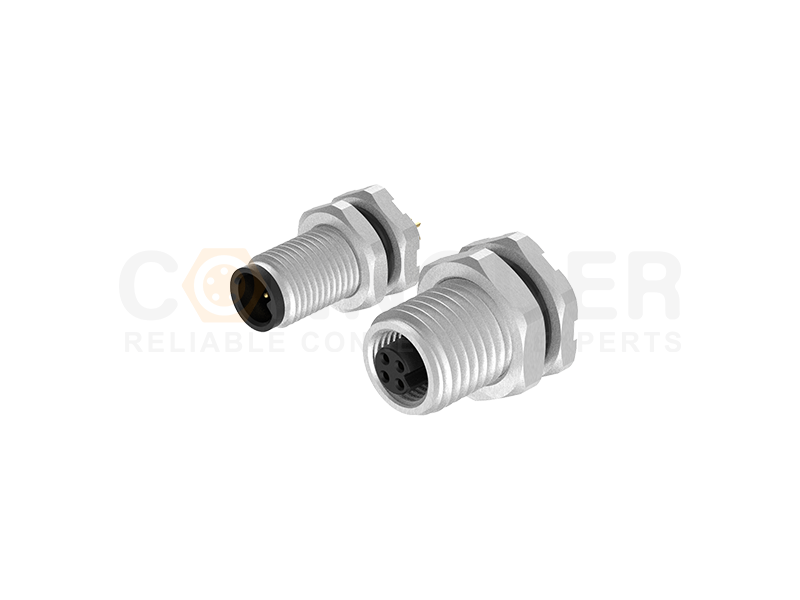
M5 Circular Connectors
Rugged, compact and versatile — ideal when you need mixed power & signal plus environmental protection.
What Are M5 Connectors and When Should You Use Them?
M5 connectors are miniature circular connectors with a 5mm thread size, designed for applications where space is limited. They are commonly used in sensors, automation systems, and compact devices.
Typical Applications
Industrial sensors and actuators
Automation control systems
Robotics and compact machinery
Signal transmission in tight spaces
Key Factors to Consider When Selecting Small M5 Connectors
1. Electrical Performance
Electrical performance is the foundation of connector selection. You should consider rated current, voltage, and signal integrity. Proper shielding is also essential in environments with electromagnetic interference.
2. Mechanical Design and Installation
Even for small connectors, mechanical design matters. Consider installation space, connector orientation (straight or right-angle), and mating cycle durability.
3. Environmental Conditions
M5 connectors are often used in harsh environments. Choosing connectors with proper IP ratings (such as IP67 or IP68) ensures protection against dust and water. Temperature resistance and vibration durability are also critical.
4. Pin Configuration
M5 connectors typically come in 3-pin and 4-pin configurations. Select the appropriate configuration based on your application requirements to avoid unnecessary complexity.
5. Material and Contact Plating
High-quality materials improve connector performance and lifespan. Gold-plated contacts enhance conductivity and corrosion resistance, while cable materials like PUR or PVC impact flexibility and durability.
6. Application-Specific Requirements
Each project has unique needs. Define signal type, installation environment, and lifecycle expectations before making a decision.
Step-by-Step Guide to Choosing the Right M5 Connector
Define application requirements
Determine electrical specifications
Analyze environmental conditions
Select pin configuration
Choose materials and protection level
Verify mechanical compatibility
Why Choose Connoder
Selecting a reliable manufacturer is just as important as choosing the right connector. Connoder specializes in high-performance circular connectors for industrial applications.
Extensive experience in M-series connectors (M5, M8, M12)
Strict quality control and high reliability
Custom solutions for different applications
Durable products designed for harsh environments
Common Mistakes to Avoid
Ignoring environmental requirements
Choosing incorrect pin configurations
Overlooking shielding needs
Selecting based only on price
Not verifying system compatibility
Conclusion
Choosing the right M5 connector requires evaluating electrical, mechanical, and environmental factors. By following a structured approach and partnering with a trusted manufacturer like Connoder, you can ensure long-term performance and reliability for your project.
What are the most important factors when choosing M5 connectors?
The most important factors include electrical performance (current and voltage ratings), mechanical design (size and durability), environmental protection (IP rating), pin configuration, and material quality. These elements ensure the connector meets the requirements of your specific application.
When should I use an M5 connector instead of larger connectors like M8 or M12?
M5 connectors are ideal for applications where space is limited and only low-power or signal transmission is required. They are commonly used in compact sensors, automation systems, and small electronic devices.
How do I select the right pin configuration for an M5 connector?
You should choose the pin configuration based on your application needs. Typically, 3-pin connectors are used for signal transmission, while 4-pin connectors can handle both power and signal. Avoid over-specifying to keep costs and complexity low.
Why is the IP rating important when selecting M5 connectors?
The IP rating indicates the connector’s resistance to dust and water. For industrial or outdoor applications, choosing connectors with IP67 or IP68 ratings ensures durability and reliable performance in harsh environments.
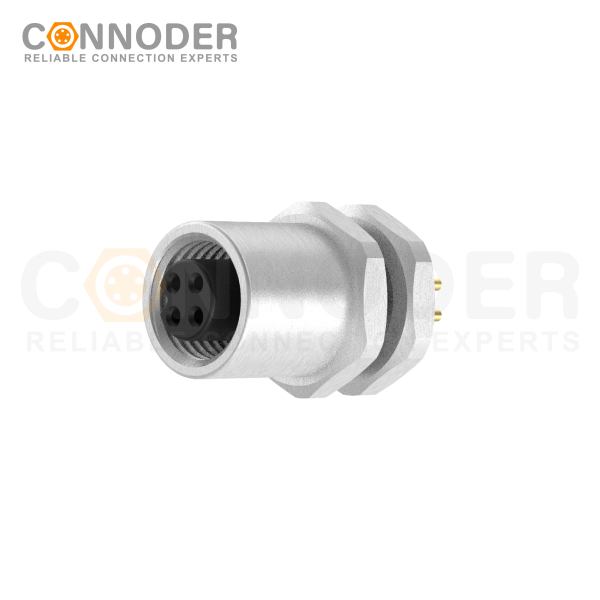
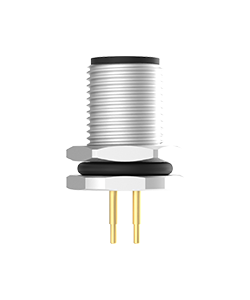
M5 Female 3 Pin Circular Connector are connection solutions designed for applications that require compact size and high reliability.
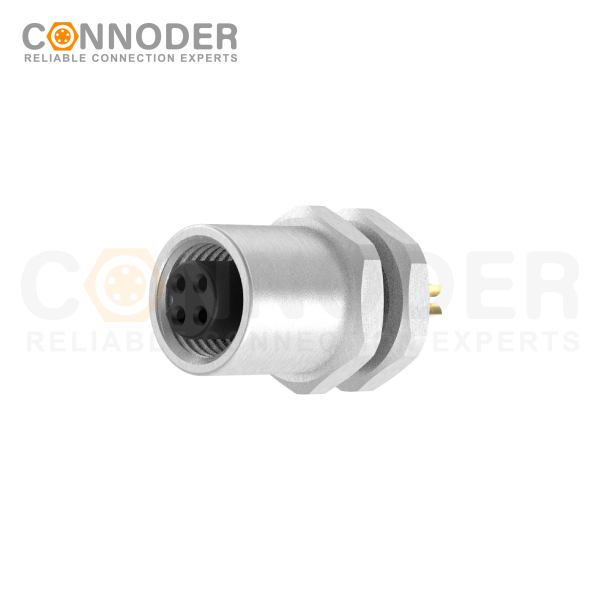
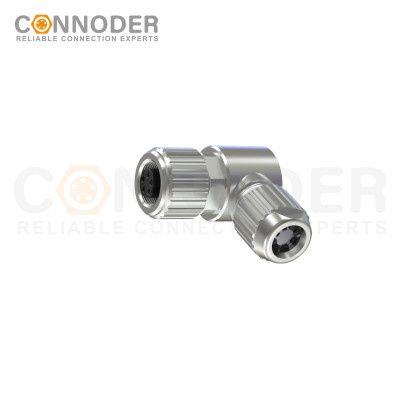
M5 Female Circular Connector are connection solutions designed for applications that require compact size and high reliability.
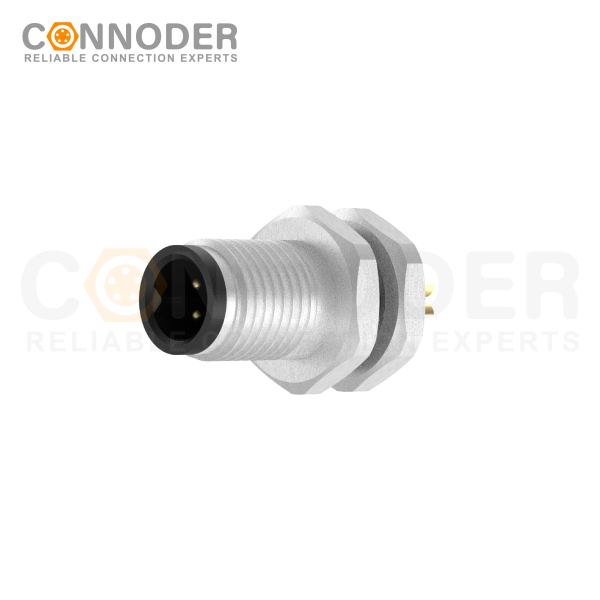
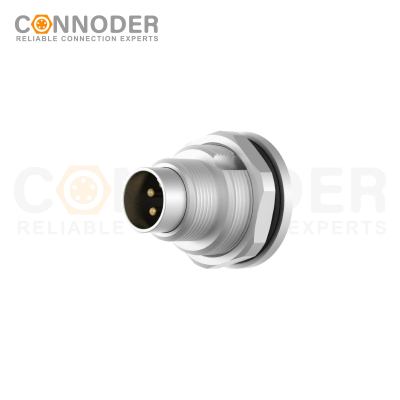
M5 Male 3 Pin Circular Connector are connection solutions designed for applications that require compact size and high reliability.
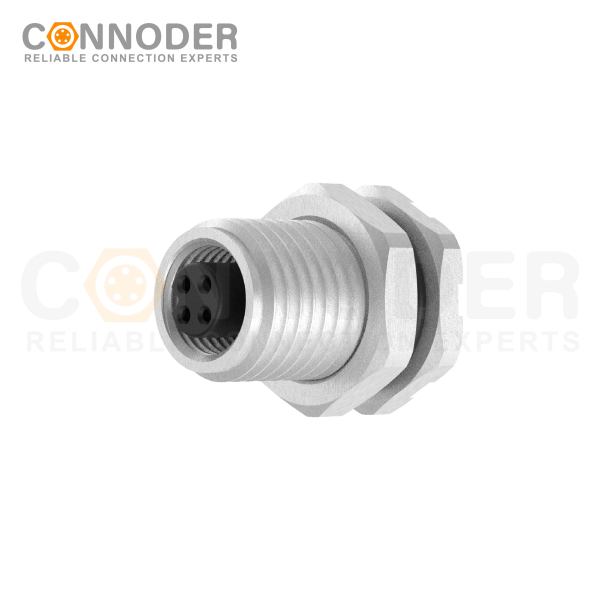
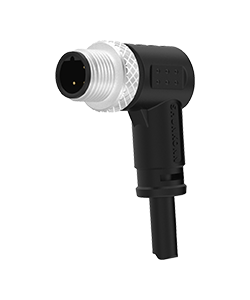
M5 Female 3 Pin Circular Connector are connection solutions designed for applications that require compact size and high reliability.