













How to Choose the Right M8 Circular Connector for Your Industrial Equipment
How to Choose the Right M8 Circular Connector for Your Industrial Equipment
Introduction
In today’s industrial automation landscape, choosing the right M8 circular connector is critical for ensuring stable signal transmission, reliable performance, and long-term equipment durability. Whether used in sensors, actuators, or compact control systems, the correct selection directly impacts efficiency and safety.
What Is an M8 Circular Connector?
M8 circular connectors are compact, threaded connectors widely used for low-power signal transmission in industrial environments. They are designed for space-constrained applications while maintaining strong mechanical and environmental performance.
Compact size for tight installations
Threaded locking for secure connection
Multiple pin configurations (3–8 pins)
IP67/IP68 waterproof protection
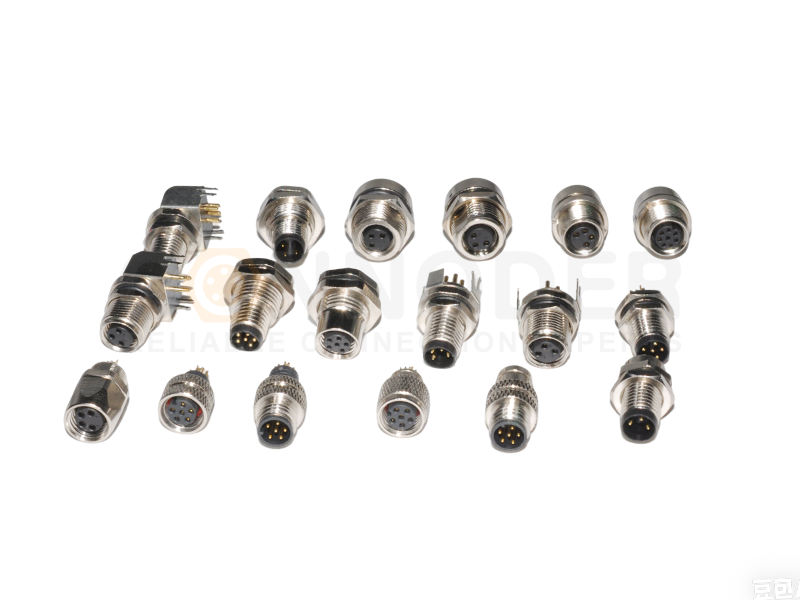
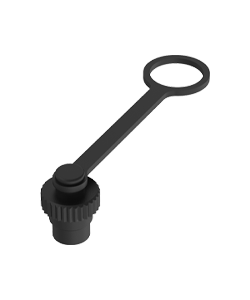
M8 Circular Connectors
Rugged, compact and versatile — ideal when you need mixed power & signal plus environmental protection.
Step-by-Step Guide to Choosing the Right M8 Connector
1. Evaluate the Application Environment
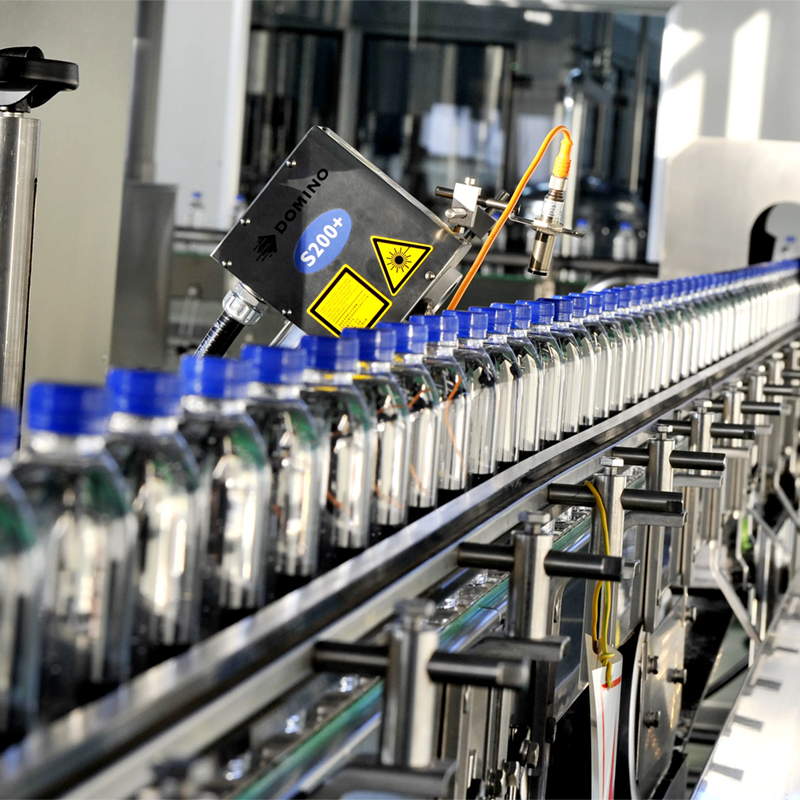
Start by analyzing the working environment. Consider exposure to dust, moisture, oil, vibration, and extreme temperatures. For harsh environments, connectors with IP67 or IP68 ratings are essential.
2. Select the Correct Pin Configuration
Pin count determines how many signals or power lines can be transmitted.
3–4 pins: standard sensors
5 pins: moderate complexity systems
8 pins: advanced automation applications
3. Verify Electrical Requirements
Ensure the connector’s voltage and current ratings match your system requirements to prevent overheating or failure.
4. Choose the Right Coding
Coding prevents mismating between incompatible connectors and improves installation safety, especially in complex systems.
5. Consider Mechanical Design
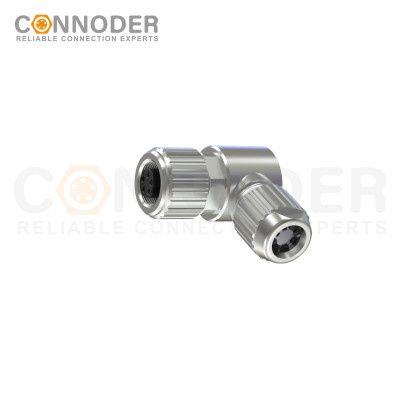
Choose between straight and right-angle connectors depending on available space. Right-angle connectors are ideal for compact installations.
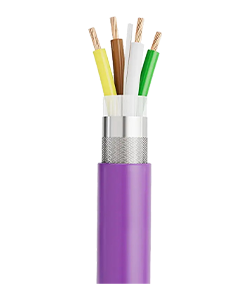
6. Select Cable Material
Cable material affects durability and flexibility:
PVC: suitable for general indoor use
PUR: ideal for robotics and harsh environments
7. Ensure Reliable Locking
Threaded locking mechanisms provide strong vibration resistance and ensure long-term stable connections in industrial applications.
Common Mistakes to Avoid
Ignoring IP protection level
Choosing incorrect pin configuration
Overlooking electrical ratings
Not considering installation space
Selecting low-quality connectors
Why Choose Connoder?
Selecting a reliable manufacturer is just as important as choosing the right specifications. Connoder 康诺德 is a professional industrial connector manufacturer dedicated to delivering high-performance connectivity solutions.
Advanced R&D and production capabilities
Compliance with RoHS, REACH, and international standards
Custom M8 connector and cable solutions
IP67/IP68 waterproof performance
Fast delivery and OEM/ODM support
Connoder Circular Connector Solutions
Connoder is a professional circular connector manufacturer dedicated to delivering high-quality connectivity solutions for consumer and industrial applications. With strong engineering expertise and strict quality control, Connoder supports customers from product selection to customized design.
Final Thoughts
Choosing the right M8 circular connector is essential for ensuring reliable industrial performance. By evaluating environmental conditions, electrical requirements, and installation constraints, you can select the best solution for your application.
If you are looking for a trusted partner, Connoder provides high-quality, customizable M8 connector solutions designed for modern industrial environments.
What is an M8 circular connector used for?
An M8 circular connector is commonly used in industrial automation systems for connecting sensors, actuators, and control devices. It is ideal for compact equipment due to its small size, reliable threaded locking mechanism, and strong resistance to dust and water (typically IP67/IP68 rated).
How do I choose the right M8 circular connector?
To choose the right M8 connector, you should consider several key factors:
Environmental conditions (IP rating requirements)
Pin configuration (3–8 pins depending on application)
Voltage and current ratings
Connector coding and compatibility
Installation space and connector type (straight or right-angle)
Cable material (PVC or PUR)
What is the difference between IP67 and IP68 M8 connectors?
IP67 connectors are protected against dust and temporary immersion in water, while IP68 connectors provide higher protection, allowing for continuous submersion under specified conditions. For harsh or outdoor environments, IP68 is generally the better choice.
How many pins does an M8 connector have?
M8 connectors typically come in 3-pin, 4-pin, 5-pin, and 8-pin configurations. The number of pins depends on the complexity of the application and how many signals or power lines need to be transmitted.
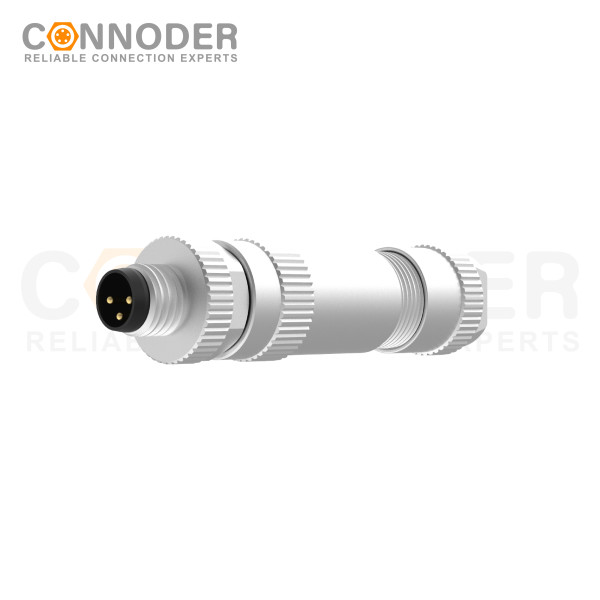
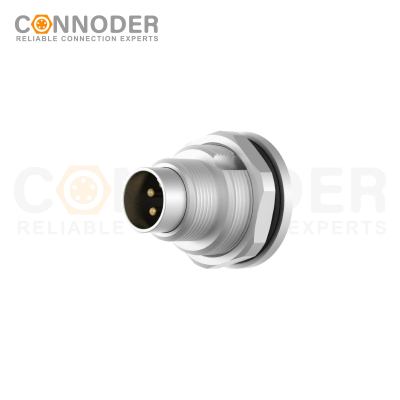
The M8A coded circular connector is known for its compact design, rugged construction and reliable performance.
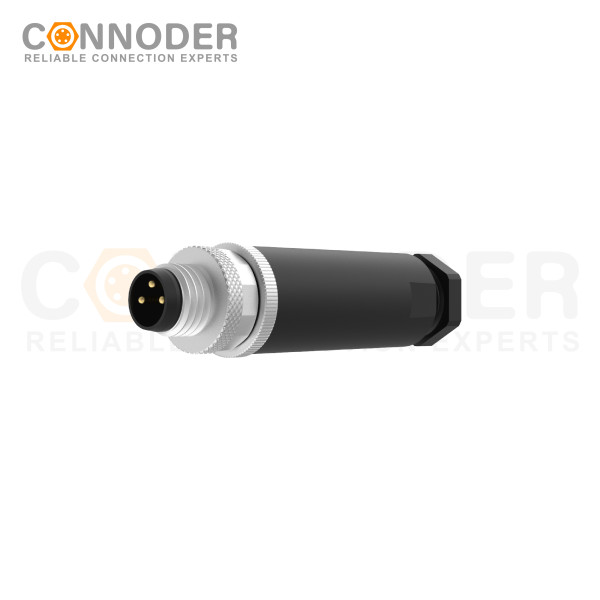
The M8A coded circular connector is known for its compact design, rugged construction and reliable performance.
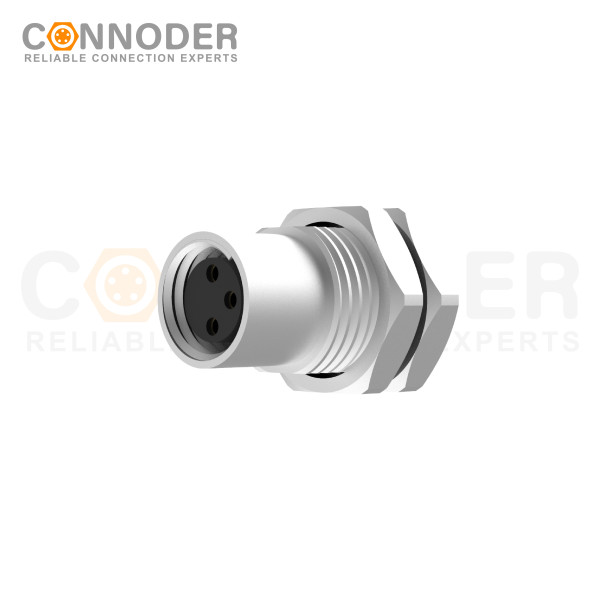
The M8A coded circular connector is known for its compact design, rugged construction and reliable performance.
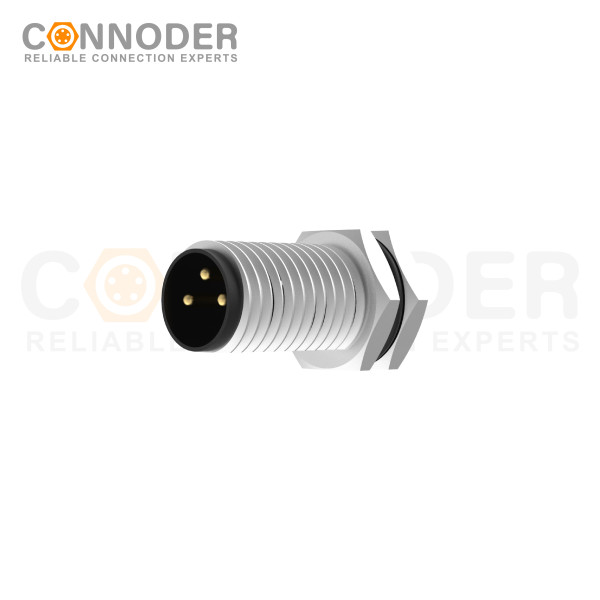
The M8A coded circular connector is known for its compact design, rugged construction and reliable performance.