














How to Properly Select a 7/8 Electrical Connector
How to Properly Select a 7/8 Electrical Connector
Introduction
Selecting the right 7/8 series round connector is an important part of building reliable industrial electrical systems. Instead of choosing a connector based only on its size or appearance, engineers and purchasing teams should evaluate electrical requirements, contact configuration, male and female interfaces, installation methods, environmental conditions, cable compatibility, and long-term reliability.
This guide explains how to properly select a 7/8 electrical connector and provides a practical selection process for industrial automation and equipment applications. It also introduces CONNODER and its industrial circular connector solutions to help customers better understand the available product and application support.
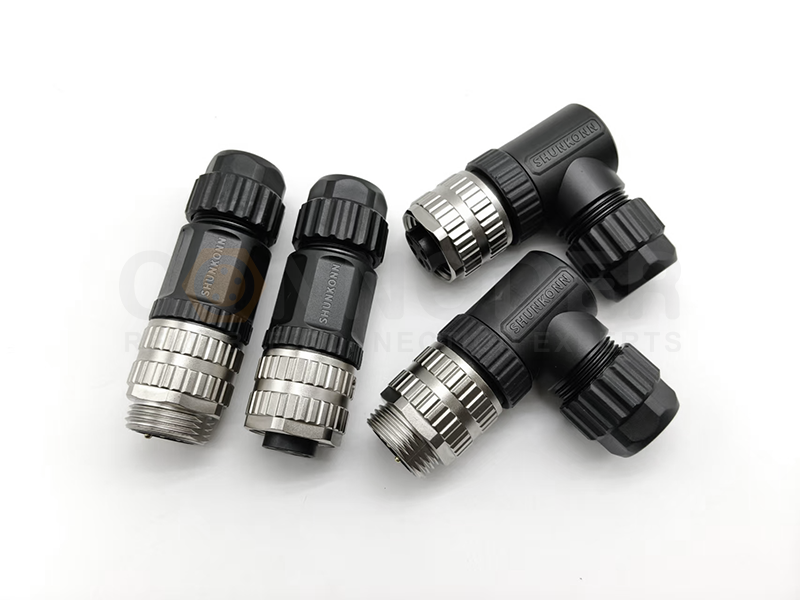
7/8 Circular Connectors
Rugged, compact and versatile — ideal when you need mixed power & signal plus environmental protection.
What Is a 7/8 Series Round Connector?
A 7/8 series round connector, also known as a 7/8 electrical connector or 7/8 circular connector, is a circular electrical connection solution commonly used in industrial equipment, automation systems, machinery, power distribution, sensors, actuators, and related applications.
Depending on the product design and application requirements, a 7/8 connector may be available with different configurations, including:
Different pin or contact counts
Male and female connector versions
Cable-mounted connectors
Panel-mounted receptacles
Straight and angled designs
Field-wireable configurations
Overmolded cable assemblies
Different environmental protection levels
The correct connector should be selected according to the complete electrical, mechanical, and environmental requirements of the application.
Start by Understanding Your Application
The first step in selecting a 7/8 electrical connector is understanding where and how it will be used. Before comparing models, define the actual operating requirements of the equipment.
What equipment will the connector connect?
Is it used for power, control, or signal transmission?
What voltage does the application require?
What current will pass through the connector?
Will the equipment operate indoors or outdoors?
Will the connector be exposed to water, dust, oil, chemicals, or humidity?
Is vibration or mechanical movement expected?
How frequently will the connector be connected and disconnected?
The application requirements should guide the selection process. A connector used inside a protected control cabinet may require a different design from one installed on outdoor equipment or machinery exposed to water, dust, and vibration.
Selection principle: Select the connector for the application—not simply for its size or appearance.
Determine the Required Voltage and Current
Electrical performance is one of the most important factors when selecting a 7/8 series round connector. Verify that the connector's rated characteristics are appropriate for the actual operating conditions.
Rated Voltage
The connector should support the voltage requirements of the electrical system. Environmental conditions, insulation materials, contamination, humidity, and temperature should also be considered when evaluating electrical performance.
Rated Current
Current passing through connector contacts generates heat because of electrical resistance. Excessive temperature rise can affect contact performance and long-term reliability.
When evaluating current requirements, consider:
Maximum operating current
Continuous current
Ambient temperature
Number of simultaneously energized contacts
Wire size and conductor characteristics
Installation conditions
Contact Resistance and Insulation Performance
Stable contact resistance helps reduce unnecessary power loss and heat generation. Insulation resistance and electrical isolation should also be evaluated according to the application and relevant safety requirements.
Engineering tip: Do not select a connector based only on the maximum current shown in a catalog. Evaluate the complete operating environment and system conditions.
How to Choose Between a 7/8 Male and Female Connector
Male and female connector selection is an important part of ensuring correct mating and reliable installation. The required configuration depends primarily on the existing equipment interface and the intended connection architecture.
Before selecting a 7/8 male connector or 7/8 female connector, verify:
Connector series
Number of contacts
Pin arrangement
Keying or positioning structure
Coupling mechanism
Mechanical dimensions
Electrical compatibility
Important: Always verify the complete mating pair. Two connectors may look similar while having different pin arrangements or incompatible interfaces.
Select the Right Mounting and Installation Style
A 7/8 series round connector can be configured for different installation methods. The best choice depends on equipment design, available space, maintenance requirements, cable routing, and production volume.
Cable-Mount Connectors
Suitable for cable-end connections and flexible installation requirements.
Panel-Mount Connectors
Designed to be installed on equipment housings, electrical cabinets, control panels, or machinery.
Field-Wireable Connectors
Useful for onsite assembly, maintenance, replacement, and applications requiring flexible cable lengths.
Overmolded Cable Assemblies
Suitable for customers who require factory-assembled connections, consistent production quality, and simplified installation.
When choosing the installation style, consider:
Available installation space
Equipment housing design
Required cable length
Production volume
Maintenance requirements
Field replacement needs
Environmental protection requirements
Evaluate Environmental Conditions and IP Protection
Industrial connectors may operate in environments involving dust, water, humidity, oil, chemicals, vibration, mechanical shock, and changing temperatures.
Before selecting a connector, evaluate:
Water exposure
Dust and particulate contamination
Humidity
Oil and chemicals
Outdoor weather conditions
High or low operating temperatures
Continuous vibration
Mechanical shock
The required IP protection level should match the actual operating environment. However, IP rating should not be the only factor considered. Also evaluate sealing structure, housing materials, cable entry sealing, temperature range, chemical resistance, and coupling security.
Check Mechanical Reliability and Service Life
Electrical compatibility alone does not guarantee long-term connector performance. Mechanical reliability is especially important for industrial equipment operating under vibration, movement, shock, or frequent maintenance.
Mating Cycles
If the connector will be connected and disconnected frequently, verify that the expected service requirements are compatible with the product specification.
Vibration and Shock Resistance
Machinery, automation systems, robotics, and mobile equipment may expose connectors to continuous vibration or intermittent shock. The coupling mechanism should remain secure during normal operation.
Coupling Security
Correct engagement and proper installation help maintain both mechanical stability and environmental sealing performance.
Verify Cable Compatibility
The connector and cable should be evaluated as a complete connection system.
Check the following before finalizing a 7/8 connector:
Wire cross-sectional area
Cable outer diameter
Number of conductors
Temperature rating
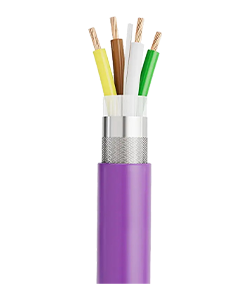
Shielding requirements
Flexibility and bending requirements
Chemical resistance
Cable entry and strain-relief compatibility
A high-quality connector cannot fully compensate for an unsuitable cable. For moving equipment or applications involving repeated bending, the complete cable assembly should be evaluated rather than considering the connector alone.
Consider Shielding and EMI Requirements
Industrial environments may contain electromagnetic interference generated by motors, drives, switching power supplies, high-current equipment, and communication systems.
Where sensitive signals or electrically noisy environments are involved, evaluate:
Shielded cable requirements
Shield continuity
Connector shielding design
Grounding strategy
Separation between power and sensitive signal circuits
Shielding should be considered as part of the complete connection system rather than as an isolated connector feature.
Conclusion
The correct 7/8 series round connector should be selected through a structured process rather than based only on size or appearance.
Application → Voltage & Current → Contact Count → Male/Female Interface → Mounting & Termination → Environmental Protection → Cable Compatibility → Long-Term Reliability
By evaluating these factors together, engineers and purchasing teams can reduce compatibility risks and select a connection solution better suited to the actual operating environment.
How do I choose the right 7/8 series round connector?
To choose the right 7/8 series round connector, first determine the application requirements, including rated voltage, current, number of contacts, male or female interface, mounting type, IP protection level, cable specifications, and operating environment.
What should I consider when selecting a 7/8 electrical connector?
Key factors include electrical ratings, contact configuration, connector mating compatibility, installation method, environmental protection, temperature range, vibration resistance, cable diameter, and termination requirements.
How do I choose between a 7/8 male and female connector?
The choice depends on the existing equipment interface. Always verify the connector series, pin configuration, contact arrangement, coupling structure, and mating compatibility before selecting a male or female connector.
Are 7/8 series round connectors suitable for harsh industrial environments?
Yes, depending on the specific product design and protection rating. A suitable 7/8 connector can be selected for industrial environments involving dust, moisture, vibration, and other demanding operating conditions.
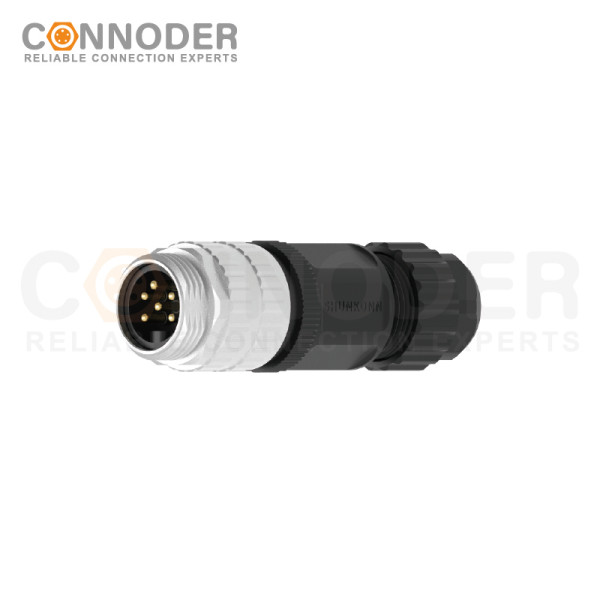
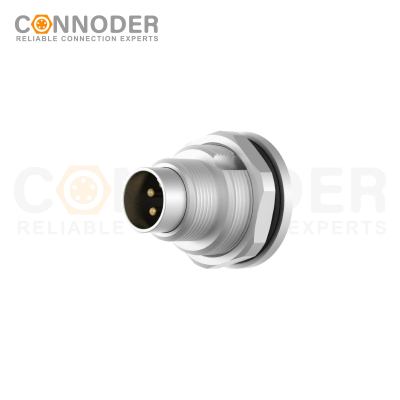
7/8" circular connector is a threaded connector with stable connection performance and reliable electrical connection.
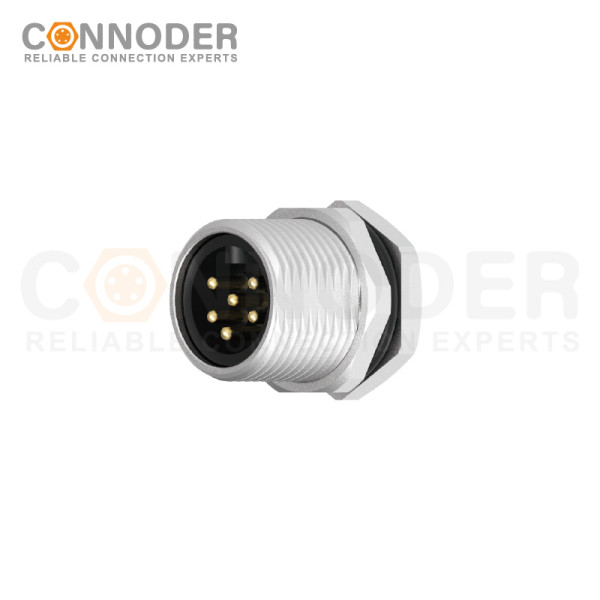
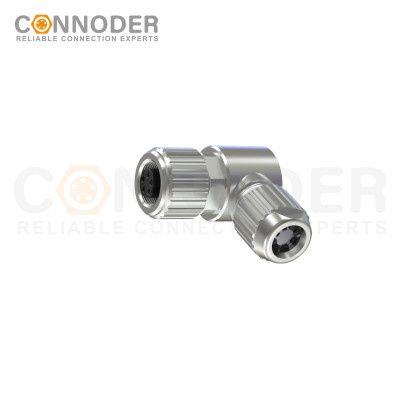
7/8" circular connector is a threaded connector with stable connection performance and reliable electrical connection.
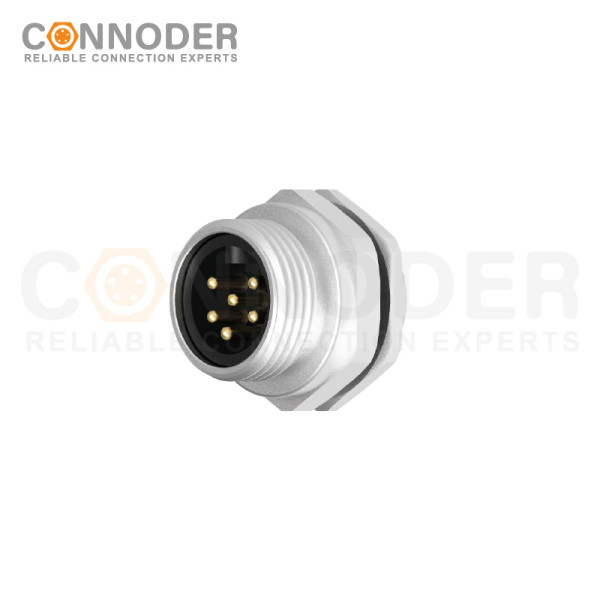
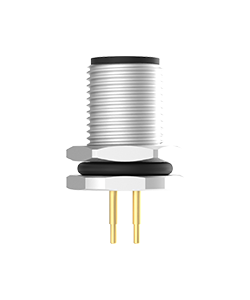
7/8" circular connector is a threaded connector with stable connection performance and reliable electrical connection.
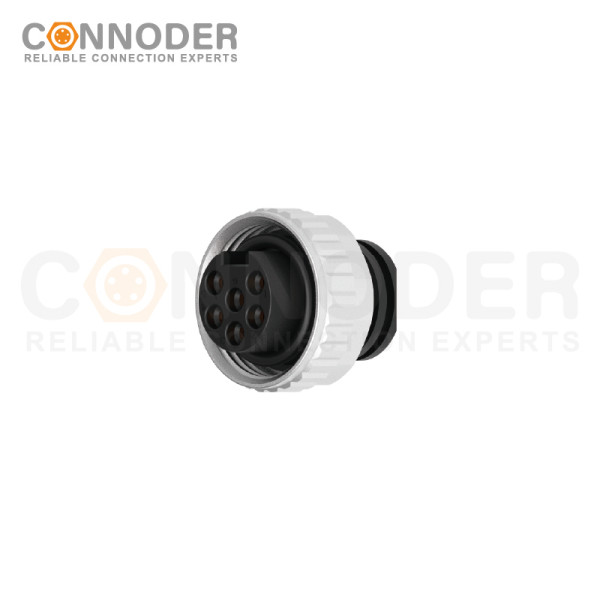
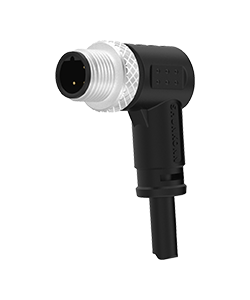
7/8" circular connector is a threaded connector with stable connection performance and reliable electrical connection.