











Industrial Cable Types, Applications and Solutions
In modern industrial environments, cables are the core components of power transmission and data communication, and their importance is self-evident. With the continuous advancement of technology, the design and manufacture of industrial cables are also constantly evolving to meet the increasingly complex industrial needs.
Main types of industrial cables
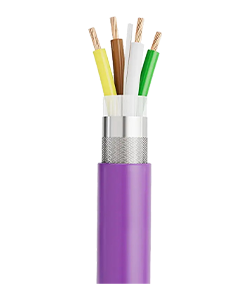
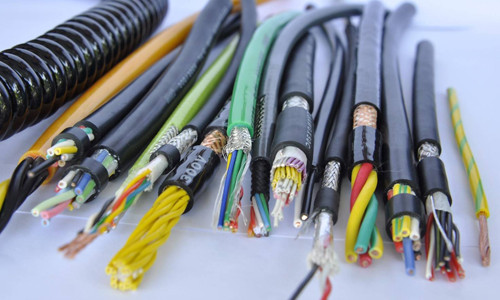
Industrial cables can be divided into many types according to their uses and characteristics, mainly including power cables, control cables, data cables, instrument cables, hybrid cables, signal cables, bare cables, and camera cables.
Power cables are mainly used to transmit electrical energy and are able to withstand high voltages and work under harsh conditions. They are usually made of copper or aluminum and are equipped with efficient insulation materials to ensure safe and efficient power distribution. For example, in factories, power cables are used to transmit electricity from distribution boards to various mechanical equipment.
Hybrid cables combine the functions of power transmission and signal transmission, and are suitable for application scenarios where power and data need to be transmitted simultaneously. This cable has a compact design and reduces wiring complexity, and is widely used in new energy vehicles and other fields that require efficient energy management.
Signal cables are mainly used to transmit low-voltage signals such as audio, video or other control signals. This type of cable requires good anti-interference ability to ensure the quality of signal transmission. Signal cables are commonly used in broadcasting, television production, and various automated control systems.
Data cables (including Ethernet cables) are used for high-speed data transmission to support efficient information exchange between production systems and communication networks. These cables are essential to the realization of the Industrial Internet of Things (IIoT) and can facilitate real-time communication between devices. For example, high-speed broadband Ethernet cables can connect different devices on a production line to form an intelligent production network.
Bare cables refer to conductors without an outer insulation layer and are mainly used for power transmission in specific occasions, such as busbars or grounding wires. Due to the lack of insulation protection, these cables are limited to use in specific safety environments to avoid the risk of electric shock.
Camera cables are specially designed for video surveillance systems and support long-distance transmission of high-definition video signals. These cables need to have low signal loss and high shielding performance to ensure that the video quality is not affected by electromagnetic interference. In the field of security, camera cables are an important part of building a comprehensive monitoring system.
Instrument Cables
Instrument cables are specially designed to transmit precise signals and are suitable for process control involving sensors and monitoring equipment. This type of cable requires extremely high accuracy and stability to ensure the reliability of the measured data. In places such as chemical plants, instrument cables are widely used to monitor parameters such as temperature and pressure.
In addition, there are some special types of industrial cables, such as thermal cables, fiber optic cables and coaxial cables. Thermal cables are suitable for monitoring in high temperature environments; fiber optic cables are ideal for long-distance communication due to their high bandwidth and no electromagnetic interference; coaxial cables are often used for the transmission of video and radio frequency signals due to their low signal loss and high reliability.
Application fields of industrial cables
The application range of industrial cables is extremely wide, covering multiple fields from construction to transportation.
Building field
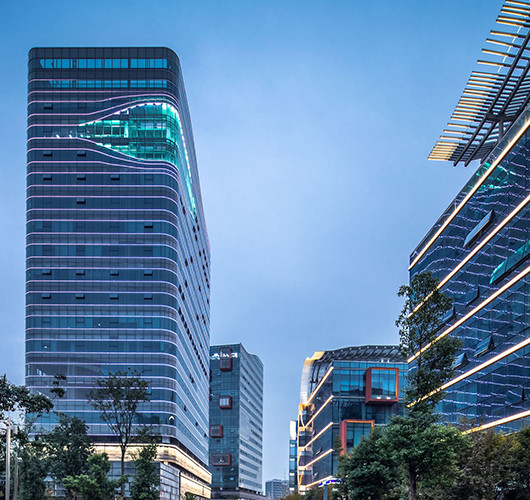
In buildings, wires and cables are used for indoor power distribution lines, electrical connections of elevators and machine rooms, power supply and control of fire protection facilities, and energy supply of security monitoring systems. In addition, in large complexes such as office buildings, commercial centers and apartments, wires and cables also undertake the task of data transmission between floor communication lines and building automation systems.
Transportation field
The transportation field is one of the important scenarios for the application of wires and cables. The drive systems of subways and high-speed trains, the power supply of street lights and traffic lights, and the electrical equipment of aircraft, automobiles and ships are inseparable from the support of wires and cables. Modern traffic control systems, such as automatic ticket vending systems, also rely on a large number of wires and cables to realize their functions.
Communication network field
With the popularization of the Internet, high-speed transmission media such as optical cables and cables have been widely used, which can support modern communication technologies such as 4G and 5G. Smart home systems and smart city construction have also put forward higher demands on wires and cables.
Industrial Automation
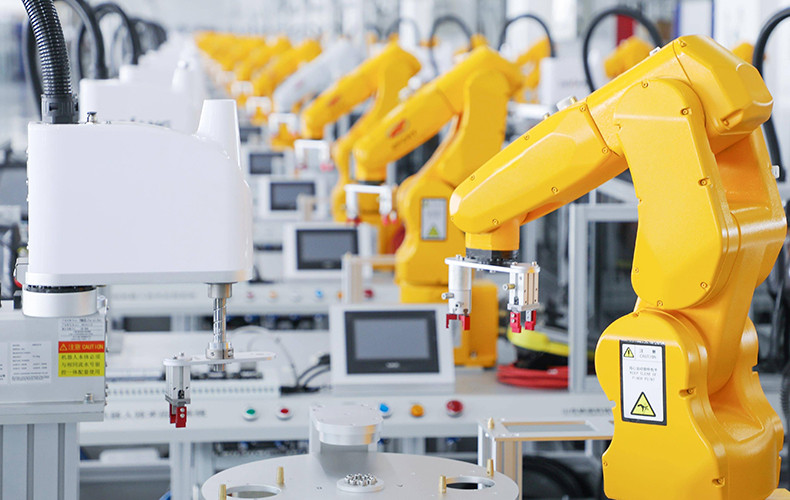
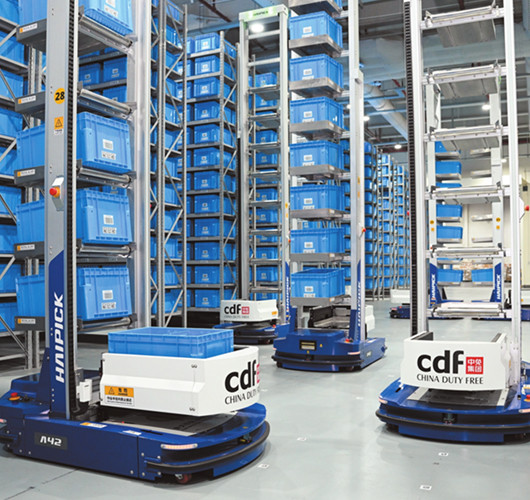
In the field of industrial automation, wires and cables are used to control robots and automation devices, as well as to transmit electrical signals from various sensors and instruments in factory automation systems. In addition, wires and cables also play an important role in energy extraction, manufacturing, and aerospace.
Solutions for Industrial Cables
In order to cope with different industrial environments and needs, industrial cable manufacturers provide a variety of solutions.
Flexible Armored Cables
Flexible cables are designed to withstand the wear and tear caused by frequent movement, and are particularly suitable for factory floors using industrial robots or mobile devices. Armored cables protect conductors from external impact and bad weather through enhanced physical protection, and are suitable for underground wiring or areas where heavy machinery is operated.
High-temperature and harsh environment cables
For high-temperature and harsh industrial environments, the cables are sheathed with materials such as silicone, Teflon and glass fiber, which have excellent heat resistance and chemical corrosion resistance. At the same time, modern shielding technology is used to reduce electromagnetic interference (EMI) to ensure signal integrity and operational safety.
Customized Solutions
Industrial cables can also be customized according to specific applications to meet specific performance requirements. For example, some cables may require additional oil resistance, chemical resistance or extreme temperature resistance to adapt to special industrial environments.
Selection and maintenance of industrial cables
Selecting the right industrial cable requires comprehensive consideration of multiple factors, including voltage level, current carrying capacity, environmental conditions, and mechanical strength. Here are some key considerations:
Evaluate voltage and power transmission requirements
Determine the rated voltage and current carrying capacity of the cable to ensure that it will not fail due to overload. At the same time, consider the impact of cable length on resistance loss and design the cable specifications reasonably.
Choose the right cable insulation and durability
According to the actual application environment, select appropriate insulation materials and sheath types to improve the heat resistance, chemical resistance, and mechanical strength of the cable.
Ensure compatibility with specific industrial applications
In combination with specific industrial scenarios, select cable products that meet relevant standards and specifications to ensure that they can operate reliably under expected working conditions.
In addition, in order to extend the service life of industrial cables, effective maintenance measures are also required. This includes regularly checking the status of the cable, properly handling and storing the cable, and monitoring environmental factors that may affect the performance of the cable.
As an indispensable part of modern industry, industrial cables are of various types and widely used, and provide diversified solutions for different needs. With proper selection and maintenance, industrial cables can maintain efficient and stable operation in various complex environments, providing a solid guarantee for the smooth progress of industrial production.
Reference ·