














Towards Miniaturization: The Puzzle of Connectors
Towards Miniaturization: The Puzzle of Connectors
Introduction
Driven by 5G communication, autonomous driving, portable medical devices, wearable electronics and industrial IoT, the global electronic industry is in an irreversible wave of high integration and lightweight upgrading. As core interconnect components, miniaturized connectors have become the key to breaking the size limit of terminal equipment. However, the continuous shrinking of connector volume and ultra-fine pitch design have triggered a series of industry-wide technical contradictions — the core puzzle of connector miniaturization: how to balance ultra-compact size with mechanical robustness, stable signal transmission, environmental adaptability and mass production feasibility.
Authoritative industry researches from Molex and TE Connectivity all point out that miniaturization is no longer a simple size reduction, but a systematic technical upgrade covering structure, materials, technology and application adaptation. Many engineering designers are trapped in the dilemma that standard miniaturized connectors cannot meet high-reliability working conditions, while high-performance customized solutions face high R&D costs. As a professional manufacturer focusing on the R&D and production of high-reliability miniaturized connectors for years, CONNODER deeply understands the industry pain points behind connector miniaturization, and provides targeted, mass-producible solutions for global electronic enterprises. Learn more about our brand strength and technical advantages via our official page: About CONNODER.
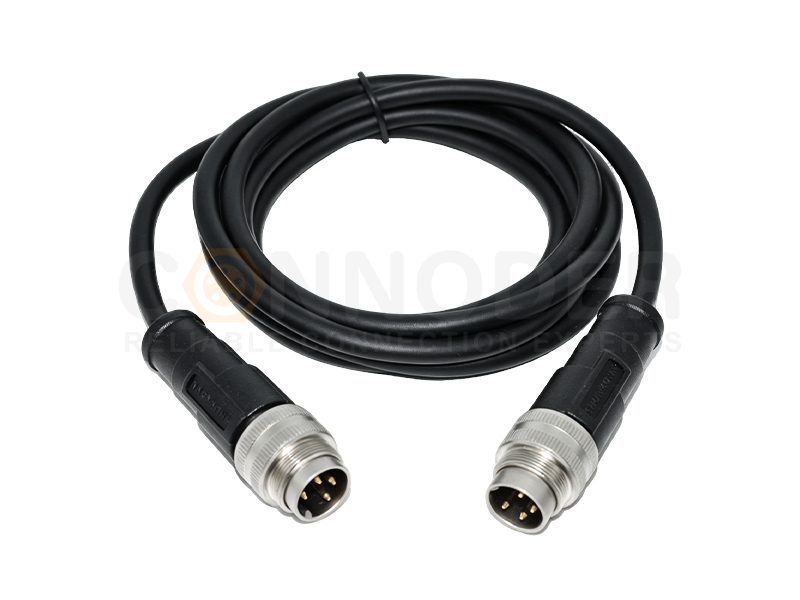
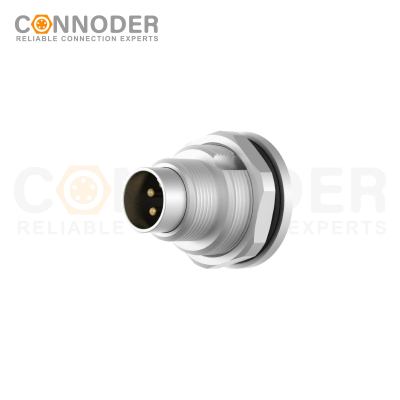
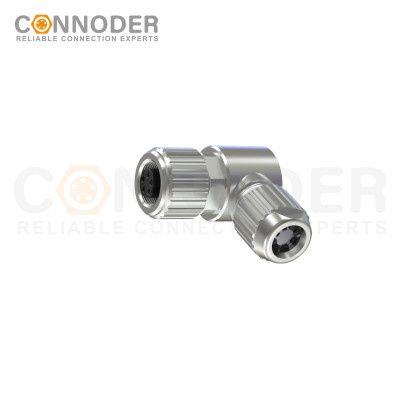
Circular Connectors
Rugged, compact and versatile — ideal when you need mixed power & signal plus environmental protection.
The Core Industry Puzzles of Miniaturized Connectors
Combined with the latest technical reports from Molex, TE Connectivity and industry practical cases, the puzzles restricting the performance iteration and large-scale application of miniaturized connectors are mainly reflected in four contradictory dimensions, which are the key challenges that most ordinary miniature connector products cannot break through.
1. Miniature Size vs. Mechanical Structural Stability
To adapt to high-density PCB layout, the pitch of mainstream miniaturized connectors is reduced to 0.4mm–2.54mm. The ultra-thin terminals and tiny plastic housings greatly weaken the mechanical strength. In actual working scenarios such as automotive vibration, industrial equipment operation and wearable device frequent bending, miniature connectors are prone to terminal bending, poor locking and mating fatigue failure. Traditional connector structural design can no longer balance miniaturization and ruggedness, forming the most prominent industry puzzle.
2. High-Density Layout vs. High-Speed Signal Integrity
High integration design makes the internal wiring space of equipment extremely compact, and the dense pin arrangement of miniaturized connectors easily causes signal crosstalk and impedance mismatch. Especially in 5G communication modules, automotive ADAS radar and image transmission systems, tiny spacing will interfere with high-speed signal transmission, resulting in data delay and signal distortion. This is the key technical difficulty emphasized in TE Connectivity’s miniaturized connector evolution research.
3. Reduced Volume vs. Thermal & Environmental Resistance
The smaller contact area of miniaturized connectors leads to insufficient thermal capacity, and heat accumulation is easy to occur under high current load, which affects the service life of components. In addition, ultra-small structures make it difficult to design integrated waterproof, dustproof and corrosion-resistant structures. It is difficult for ordinary miniature connectors to meet IP67 protection level and wide temperature resistance requirements, and cannot adapt to harsh environments such as outdoor industry, new energy vehicles and aerospace.
4. Ultra-Precision Process vs. Mass Production Yield
The production and assembly of miniaturized connectors require ultra-high precision mold opening, stamping, electroplating and SMT welding processes. Manual assembly is prone to offset and missing pins, while automated production has high technical thresholds. Most manufacturers face the puzzles of low product yield, unstable dimensional tolerance and high comprehensive cost, which restricts the large-scale popularization of high-quality miniaturized connectors.
Scenario-Specific Miniaturization Dilemmas in Main Industries
Different vertical fields have differentiated stringent requirements for miniaturized connectors, making the miniaturization puzzle more scenario-specific. According to Molex’s industry segmentation research, the typical pain points of mainstream application scenarios are summarized as follows:
Automotive & New Energy Vehicles
Vehicle zonal electrical architecture upgrade requires a large number of lightweight miniaturized connectors to reduce harness weight and save vehicle installation space. The core puzzle is to meet LV214 automotive-grade certification, anti-vibration, anti-corrosion and high and low temperature resistance while realizing miniaturization. Ordinary miniature connectors are difficult to pass long-term vehicle reliability tests.
Portable Medical Devices
Medical devices such as endoscopes, portable detectors and wearable health monitors pursue ultra-thin and miniaturized design. Connectors need to meet biocompatibility and high-frequency sterilization resistance, while ensuring low-noise signal transmission to avoid affecting medical data accuracy, putting forward higher comprehensive requirements for miniaturized connector materials and structures.
Industrial IoT & UAV Aerospace
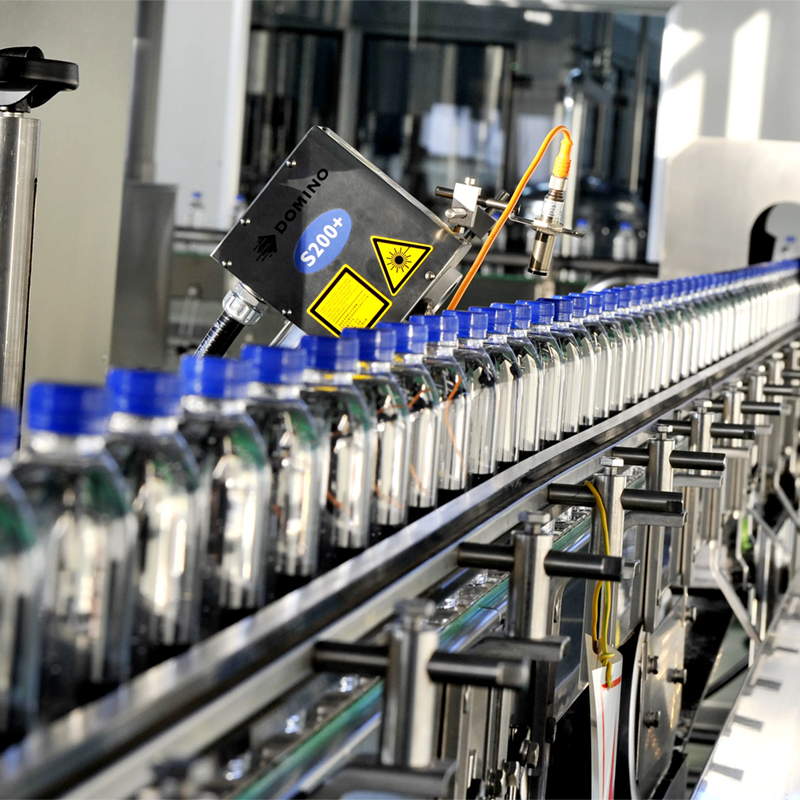
Industrial sensors, servo equipment and UAV airborne wiring need miniaturized connectors to achieve lightweight and high-density connection. The puzzle is to balance ultra-small size with shock resistance, anti-loosening and EMI shielding performance to ensure stable operation of equipment in harsh industrial and aerial environments.
CONNODER’s Systematic Solutions to Crack Miniaturized Connector Puzzles
Against the above industry-wide miniaturization dilemmas, CONNODER relies on independent R&D capabilities, precision production technology and rich engineering experience, and has launched a full range of optimized miniaturized connectors solutions, perfectly solving the contradiction between miniaturization and high reliability, and helping customers break through product design bottlenecks.
1. Reinforced Structural Design for Higher Mechanical Stability
Aiming at the problem of weak structural strength of miniature connectors, CONNODER optimizes the terminal bending structure, adds reinforced positioning columns and anti-drop locking structures in the housing. Our self-developed board-to-board, wire-to-board and M-series miniaturized circular connectors support 1000+ mating cycles, effectively resisting equipment vibration and impact, and solving the failure problems of pin bending and poor contact.
2. High-Grade Material & Electroplating Process to Optimize Signal & Thermal Performance
We adopt high-temperature resistant LCP and modified PA66 insulating materials to avoid thermal deformation caused by heat accumulation. The contact terminals are plated with thickened gold to reduce contact resistance, stabilize current transmission and suppress high-frequency signal crosstalk. For high-speed transmission scenarios, we provide customized shielding structure options to effectively solve EMI interference problems, reaching the industry-leading signal integrity standard.
3. Custom Sealing Technology to Achieve Harsh Environment Adaptation
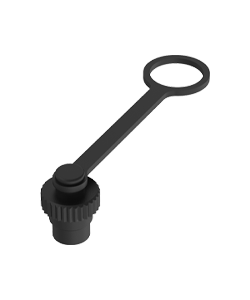
For M5, M8, M12 and other mainstream miniaturized circular connector products, CONNODER adopts integrated overmolding and customized miniature silicone sealing technology. Even under ultra-small size specifications, the products can stably reach IP67 dustproof and waterproof grade, adapting to automotive, outdoor industrial and robotic harsh working environments, breaking the puzzle of miniaturization and low protection level.
4. Full-Automatic Precision Production to Guarantee Mass Yield
CONNODER’s factory is equipped with full-automatic stamping, injection molding and continuous electroplating production lines, implementing strict incoming material inspection, finished product aging test and dimensional tolerance detection. It effectively solves the industry pain points of low yield and unstable quality of ultra-precision miniaturized connectors, and supports small-batch sample customization and large-scale bulk order delivery to meet the diverse needs of customer projects.
CONNODER Main Miniaturized Connector Product Line
Focusing on the core demand of electronic miniaturization, CONNODER’s full-series miniaturized connectors cover all mainstream high-precision application scenarios, providing one-stop interconnection solutions for global customers:
M5/M8/M12 Miniaturized Circular Connectors: Support thread locking and push-pull quick disconnection, multi-pin and multi-code options, widely used in industrial sensors, automotive vision and UAV wiring;
Board-to-Board Miniature Connectors: 0.4mm–2.0mm multi-pitch optional, vertical, right-angle and stackable structures, suitable for high-density PCB compact layout;
Wire-to-Board Micro Connectors: Ultra-low-profile mini design, specially optimized for smart wearables and miniature intelligent hardware;
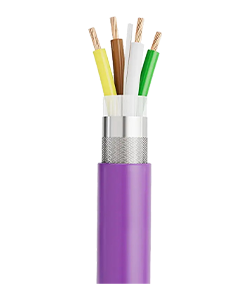
Custom Cable Assembly Solutions: Provide integrated customization of miniaturized connectors and harnesses to simplify customer assembly processes and reduce comprehensive costs.
Why Choose CONNODER as Your Miniaturized Connector Partner
As a professional manufacturer focusing on high-precision interconnect components, CONNODER takes miniaturized connectors as the core strategic product. We have passed ISO9001 quality system certification, and all products comply with RoHS and REACH environmental standards. With an experienced senior R&D team, we can quickly disassemble customer miniaturization design puzzles, provide targeted structural optimization and customized development services, and complete sample delivery in 3–7 working days.
Adhering to the concept of balancing miniaturization, ruggedness and high performance, we continue to iterate product technology to help electronic equipment manufacturers solve various interconnection problems in product miniaturization upgrading. For more brand qualifications, production strength and technical service advantages, please visit our official introduction page:
Conclusion
The miniaturization of connectors is an inevitable trend in the electronic industry, and the technical puzzles of size limitation, performance contradiction and process difficulty will continue to accompany the industry iteration. Breaking these dilemmas cannot rely on simple size reduction, but requires systematic optimization from design, materials, technology and production.
As a reliable global supplier of high-performance miniaturized connectors, CONNODER always focuses on customer pain points, uses mature industrial verification solutions to resolve miniaturization contradictions, and provides stable, reliable and cost-effective miniature interconnection products for automotive, medical, industrial and aerospace fields. If you need product datasheets, free sample testing or customized solution consultation, please feel free to contact our official team.
What core problems restrict the large-scale application of miniaturized connectors?
There are four major puzzles: weak mechanical structure under tiny size, signal crosstalk and poor signal integrity caused by dense pins, insufficient heat dissipation and difficulty in realizing high IP environmental protection, and ultra-high precision production requirements leading to low mass production yield.
Which industries have the most prominent demand and pain points for miniaturized connectors?
Mainly automotive & new energy vehicles, portable medical devices, industrial IoT, UAV and aerospace industries. Each field has strict customized requirements on certification, anti-vibration, sterilization resistance and shielding performance for miniaturized connectors.
How does CONNODER solve the technical puzzles of miniaturized connectors?
CONNODER optimizes the internal structure to improve mechanical durability, upgrades high-temperature resistant materials and thick gold plating to stabilize signal and current transmission, develops customized miniature sealing structures to reach IP67 rating, and relies on fully automatic production lines to guarantee stable product yield and quality.
What main miniaturized connector product lines does CONNODER provide?
It includes M5/M8/M12 miniaturized circular connectors, board-to-board miniature connectors, wire-to-board micro connectors, as well as customized finished cable assembly services for one-stop interconnection matching.
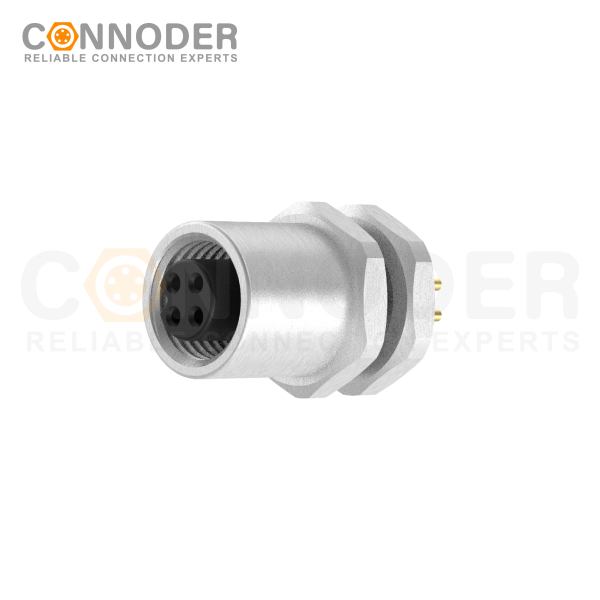
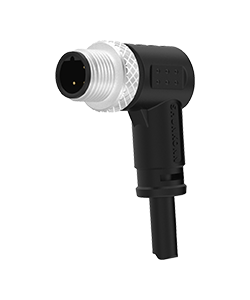
M5 Female 3 Pin Circular Connector are connection solutions designed for applications that require compact size and high reliability.
M5 Female 4 Pin Circular Connector are connection solutions designed for applications that require compact size and high reliability.
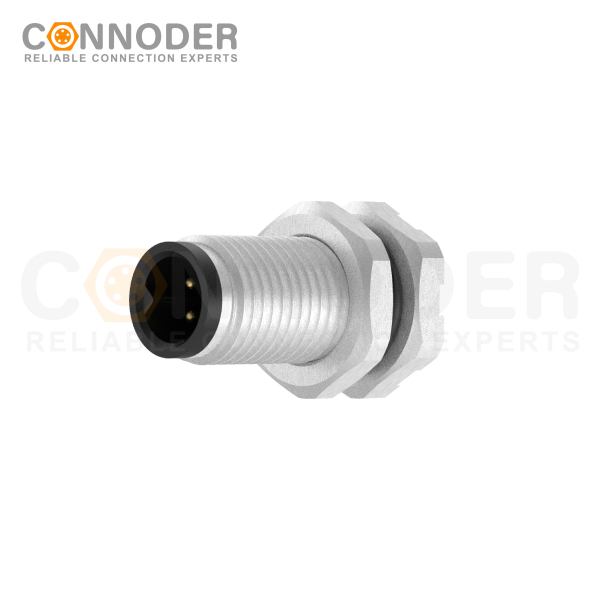
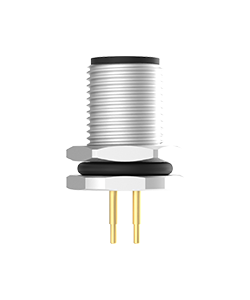
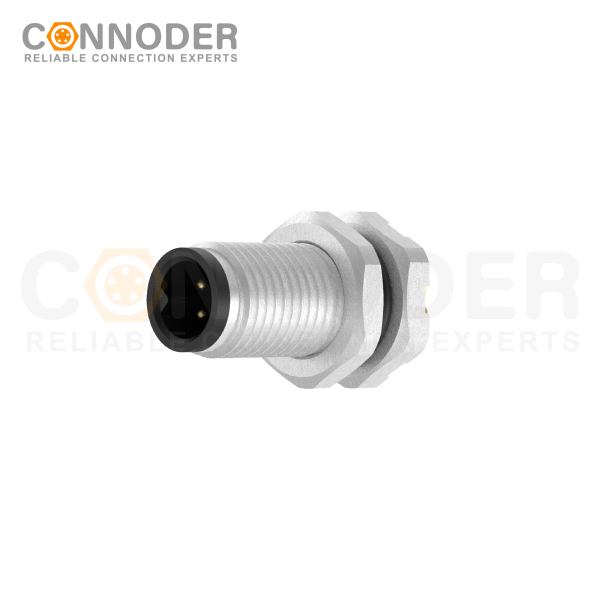
M5 Male 3 Pin Circular Connector are connection solutions designed for applications that require compact size and high reliability.
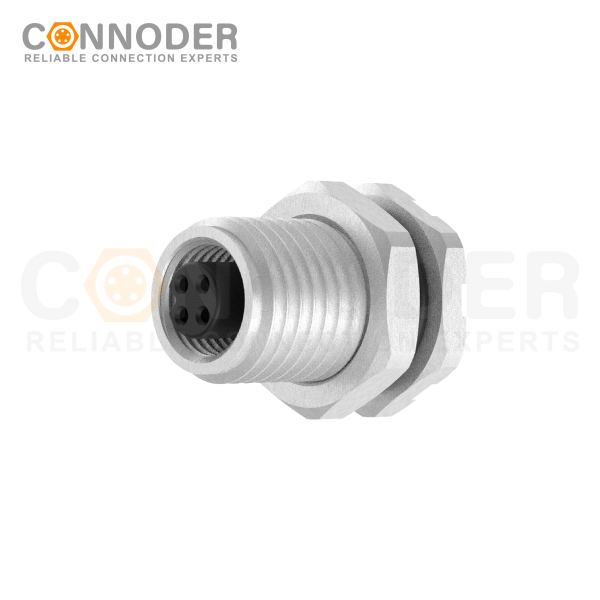
M5 Female 3 Pin Circular Connector are connection solutions designed for applications that require compact size and high reliability.