













Extend the service life of scientific computing connectors and reduce testing costs
Extend the service life of scientific computing connectors and reduce testing costs
Introduction
In scientific computing, precision measurement, laboratory testing, and industrial automation, reliable electrical connections are essential for maintaining consistent system performance. A connector that becomes worn, contaminated, or mechanically damaged can cause intermittent signals, unexpected downtime, repeated testing, and unnecessary maintenance expenses.
Understanding connector service life enables engineers and equipment manufacturers to make informed decisions about connector selection, maintenance, inspection, and replacement. Rather than focusing solely on the initial purchase price, businesses should evaluate how connector reliability affects the total cost of operating and maintaining their equipment.
By combining appropriate connector selection, preventive maintenance, and evidence-based testing, organizations can reduce avoidable failures, improve equipment availability, and make better use of their testing budgets.
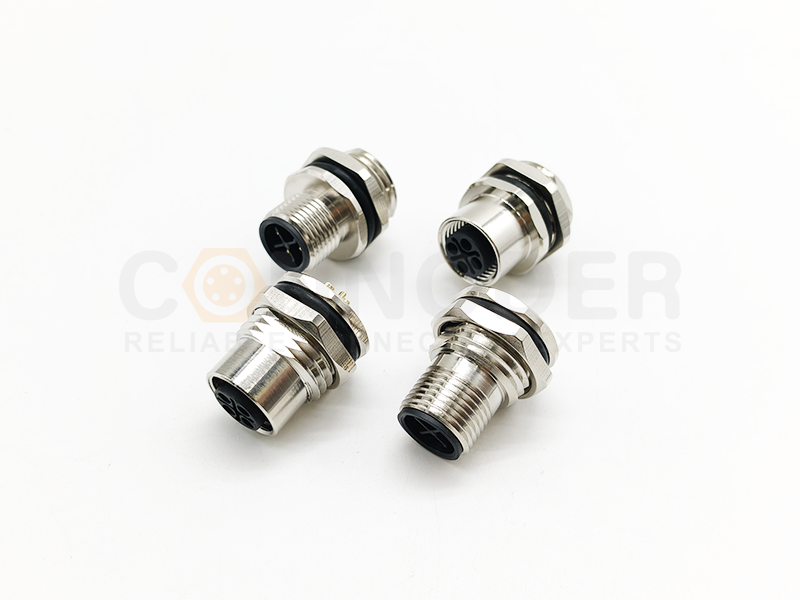
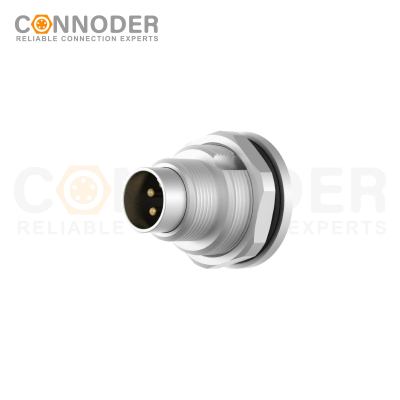
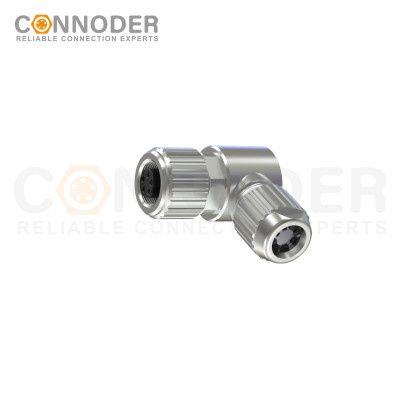
Circular Connectors
Rugged, compact and versatile — ideal when you need mixed power & signal plus environmental protection.
Understanding Connector Service Life
Connector service life is the period during which an electrical connector continues to meet its specified mechanical, electrical, and environmental requirements under defined operating conditions.
It varies according to connector design, contact materials, mating frequency, installation quality, environmental exposure, and electrical loading. Consequently, there is no single lifespan that applies to every connector.
Mechanical Service Life
Mechanical service life relates to the connector's ability to withstand repeated mating and unmating without unacceptable wear or damage.
Important considerations include contact wear, locking-mechanism durability, housing integrity, and the connector's rated mating cycles. Applications involving frequent equipment changes or repeated test connections may experience different wear patterns from permanently installed connections.
Electrical Service Life
Electrical service life concerns the connector's ability to maintain acceptable electrical performance throughout its intended operating period.
Key indicators include contact resistance, electrical continuity, insulation resistance, and temperature rise under specified operating conditions. For sensitive measurement systems, deteriorating contacts can affect signal stability even when the connector appears physically intact.
Environmental Service Life
Environmental service life depends on the connector's ability to withstand its operating environment. Moisture, dust, chemicals, temperature variations, vibration, and mechanical stress can accelerate deterioration if the connector is not designed for those conditions.
Selecting an appropriate connector requires evaluating the complete application rather than relying on appearance or a single specification.
Why Connector Service Life Matters for Testing Costs
A connector failure can create expenses far beyond the replacement component itself. In scientific computing and industrial testing environments, unreliable connections may require troubleshooting, repeated measurements, equipment downtime, or additional verification.
Typical connector-related costs include:
Replacement connectors and cable assemblies
Technician labor for inspection and troubleshooting
Repeated tests caused by unreliable connections
Production interruptions and delayed project schedules
Additional verification following repairs or connection changes
Spare-parts inventory and urgent procurement
A structured approach to connector maintenance helps identify deterioration before it develops into a more disruptive failure.
Five Common Factors That Shorten Connector Service Life
Frequent Mating and Unmating
Repeated connection and disconnection can gradually wear contact surfaces and mechanical coupling components. The extent of wear depends on contact design, plating, alignment, and operating conditions.
For frequently connected equipment, select connectors with suitable mating-cycle specifications and follow the manufacturer's connection procedures.
Contamination and Poor Maintenance
Dust, oil, moisture, and other contaminants can affect electrical contact performance. Improper cleaning can also damage contact plating or insulating materials.
Inspect connectors regularly and use only manufacturer-approved cleaning procedures. Avoid abrasive tools or incompatible chemicals that may compromise the connector's protective finish.
Cable Stress and Improper Installation
Excessive pulling, sharp bending, twisting, and side loads can damage cable terminations, housings, and contact interfaces.
Use suitable strain relief, follow the specified cable bend radius, and ensure that mounting arrangements support the expected mechanical loads.
Temperature and Environmental Exposure
High temperatures, thermal cycling, humidity, corrosive substances, and vibration can accelerate material degradation.
Choose connectors according to the actual operating temperature, required ingress protection, chemical exposure, and vibration conditions. An IP rating indicates performance under defined ingress-protection tests; it does not independently guarantee a particular service life.
Incorrect Connector Selection
A connector that does not meet the application's electrical, mechanical, or environmental requirements may experience premature failure.
Engineers should verify rated current, voltage, contact arrangement, mating compatibility, cable construction, mounting method, and signal requirements before selecting a product.
Effective Strategies to Extend Connector Service Life
Extending connector service life requires a combination of correct design, proper handling, and preventive maintenance.
Choose Connectors According to Application Requirements
Start by defining the operating conditions and expected connection frequency. Review the product datasheet to confirm the required electrical ratings, mating-cycle performance, temperature range, and environmental protection.
For industrial applications, connector selection should consider the complete connection system, including the connector, cable, mating component, and mounting interface.
Follow Proper Connection Procedures
Align mating connectors correctly and avoid forcing incompatible components together. For threaded circular connectors, engage the threads carefully and follow the manufacturer's specified coupling procedure.
Avoid excessive tightening, cross-threading, and twisting the cable during installation. These practices help reduce unnecessary mechanical stress.
Establish a Preventive Maintenance Schedule
Inspection frequency should reflect the application's criticality, operating environment, connection frequency, and failure history.
Check contacts for contamination, corrosion, or visible damage.
Inspect housings, threads, locking features, and seals.
Examine cables and strain-relief components.
Perform appropriate electrical checks when required.
Record failures, maintenance actions, and replacement dates.
Documented maintenance records make it easier to identify recurring problems and improve replacement decisions.
Replace Connectors Based on Evidence
Replacing connectors too early can waste usable components, while continuing to use damaged connectors can increase failure risk.
Use the manufacturer's mating-cycle limits, inspection findings, electrical measurements, and equipment risk assessment to establish replacement criteria.
For precision instruments and regulated testing systems, follow the relevant verification, maintenance, and calibration procedures.
Reducing Testing Costs Through Better Connector Management
Reducing testing costs does not mean eliminating necessary verification. It means improving the efficiency of maintenance and testing while maintaining the required level of reliability.
Standardize Inspection Procedures
A consistent inspection checklist helps technicians evaluate connector condition more consistently. Clear acceptance criteria also reduce uncertainty when deciding whether a connector needs cleaning, further testing, or replacement.
Monitor Connector Failure Patterns
Record failures by connector type, operating environment, mating frequency, and observed failure mode. Over time, these records can help determine whether failures are associated with contamination, installation practices, mechanical wear, or unsuitable product selection.
Apply Risk-Based Verification
Different maintenance activities may require different verification procedures. Define appropriate checks following routine inspection, cable repair, connector replacement, or changes to a test setup.
When a connector fault could affect measurement validity, complete the necessary verification before returning the equipment to service.
Evaluate Lifecycle Cost Instead of Purchase Price Alone
A lower-priced connector may not provide the best long-term value if it requires frequent replacement or creates additional maintenance work.
When comparing suppliers, evaluate technical specifications, documented durability, product consistency, customization options, availability, and the potential cost of failures.
Any claimed improvement in connector service life or reduction in testing expenses should be supported by appropriate test results or documented operational evidence.
Conclusion
Extending connector service life is an important part of improving equipment reliability and controlling long-term testing costs. Proper selection, installation, preventive maintenance, and evidence-based replacement decisions can help organizations reduce avoidable failures while maintaining required electrical performance.
For scientific computing, instrumentation, and industrial automation applications, the most effective strategy is to combine documented technical requirements with practical maintenance and lifecycle cost analysis.
CONNODER provides industrial circular connector solutions for customers evaluating connectivity options for their equipment. By selecting suitable products and verifying their performance against application requirements, engineering teams can make more informed decisions about long-term connector reliability.
What determines connector service life?
Connector service life depends on contact materials, mating frequency, installation quality, electrical loading, operating temperature, environmental exposure, and maintenance practices. Selecting a connector that meets the application's specifications helps improve reliability and reduce premature failure.
How can I extend the lifespan of industrial connectors?
You can extend the lifespan of industrial connectors by following correct mating procedures, preventing contamination, reducing cable stress, performing regular inspections, and replacing damaged components when necessary. Always follow the manufacturer's maintenance recommendations.
What are connector mating cycles, and why do they matter?
Connector mating cycles refer to the repeated connection and disconnection of a connector pair. Each cycle may contribute to mechanical wear. Choosing a connector with an appropriate mating-cycle rating is important for applications involving frequent connections, but the rating alone does not determine actual service life.
How can proper connector maintenance reduce testing costs?
Proper connector maintenance helps identify wear, contamination, and connection problems before they cause more serious failures. This can reduce avoidable troubleshooting, repeated testing, component replacement, and equipment downtime while maintaining required testing accuracy.
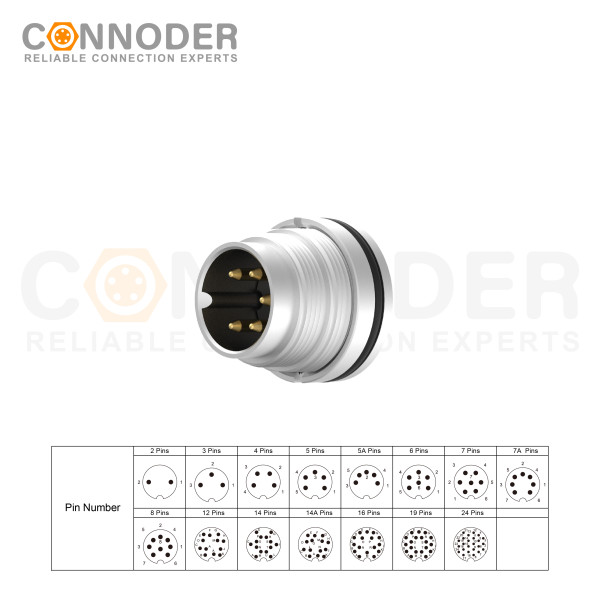
M16 6 Pin Circular Connector A-Code Interface, Waterproof Connector Receptacle Cable, Straight, Front-Locking, Unshielded
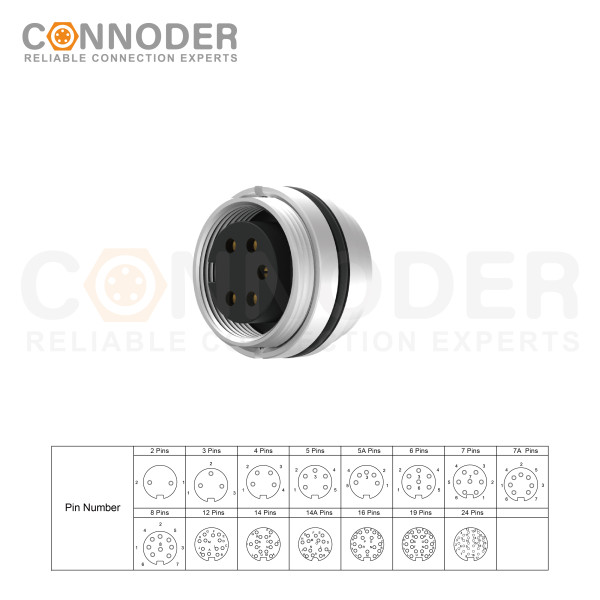
M16 6 Pin Circular Connector assemblies are ideal for demanding industrial applications such as industrial automation and aerospace, marine, and telecom systems.
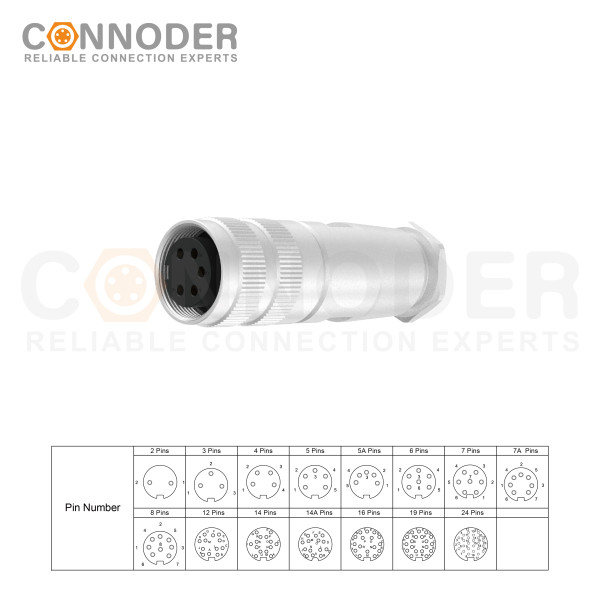
M16 6 Pin Circular Connector are ideal for demanding industrial applications such as industrial automation and aerospace, marine, and telecom systems. M16 Circular Connector are available in quick-lock wiring assembly types with IP67 protection and a vibration-resistant screw design.
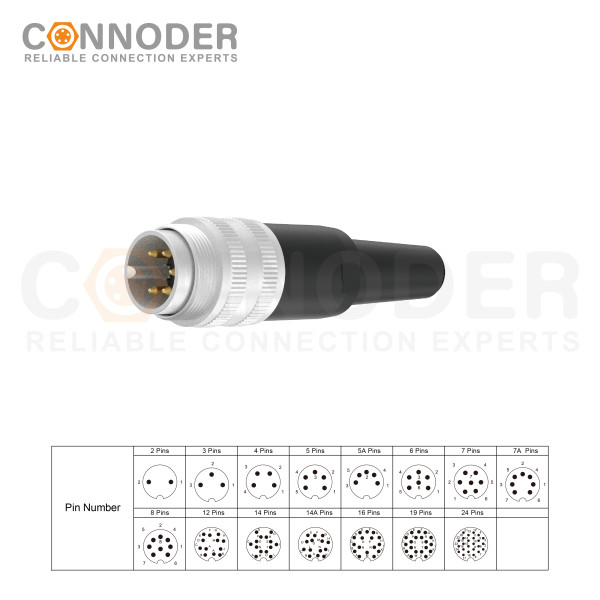
M16 6 Pin Circular Connector are ideal for demanding industrial applications such as industrial automation and aerospace, marine, and telecom systems. M16 Sensor connector are available in quick-lock wiring assembly types with IP67 protection and a vibration-resistant screw design.