














M16 Connector The Perfect Solution for Ultra High Core Applications
M16 Connector – The Perfect Solution for Ultra-High-Core Applications
Introduction
Circular connectors are electrical connectors with a round mating interface, designed to transmit power, signal, or data between devices. Their cylindrical structure enables secure locking, excellent vibration resistance, and long service life, making them suitable for both industrial systems and consumer applications.
Managing these connections with multiple individual connectors can increase wiring complexity, consume valuable panel space, and make installation and maintenance more difficult. This is where the M16 multi-core connector becomes a valuable solution.
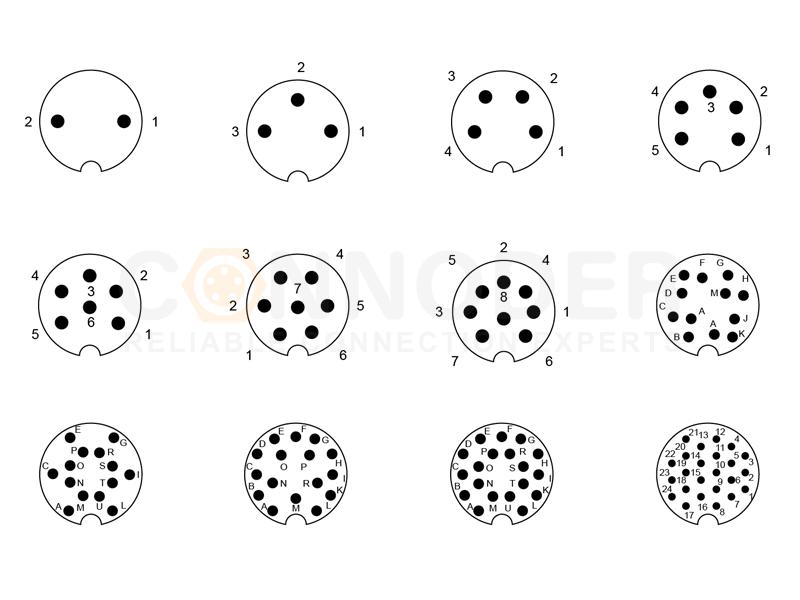
Designed for applications requiring multiple electrical contacts within a circular interface, M16 connectors can help engineers consolidate compatible circuits, organize cable connections, and improve equipment integration. Depending on the product series, M16 circular connectors are available in different contact configurations, mounting styles, and termination methods. Certain high-pin-count models support up to 24 contacts, making them worth considering for equipment that requires numerous electrical connections within a relatively compact interface.
However, selecting the right connector requires more than choosing the highest available pin count. Electrical ratings, cable dimensions, environmental protection, shielding, and mating compatibility must all be considered.
As an industrial circular connector manufacturer, CONNODER provides M16 connector solutions alongside other circular connector series. By understanding the requirements of your application, you can identify a configuration that balances connection density, reliability, and installation practicality.
Circular Connectors
Rugged, compact and versatile — ideal when you need mixed power & signal plus environmental protection.
Why Are M16 Multi-Core Connectors Suitable for High-Density Applications?
High-density electrical connections create several design challenges, including limited installation space, cable management, mechanical stability, and maintenance accessibility. A suitably specified M16 multi-core connector can address some of these challenges.
Multiple circuits in one interface
Group compatible electrical circuits and help organize wiring layouts.
Compact integration
Potentially reduce the number of separate interfaces in space-constrained equipment.
Secure coupling
Threaded coupling designs help maintain mechanical engagement when correctly installed.
Optional shielding
Selected variants can support EMI management when integrated into a properly designed system.
Consolidating Multiple Electrical Circuits
One of the main advantages of a high-pin-count connector is the ability to group compatible electrical circuits within a single interface. Instead of installing multiple separate connectors, engineers may be able to use one multi-core connection to organize several signals or control circuits.
Potential benefits include reduced connector count in suitable designs, more organized cable routing, simplified connection identification, convenient equipment assembly, and easier maintenance planning. The actual reduction in wiring complexity depends on the circuit architecture and the connector's available contact arrangement.
Making Better Use of Installation Space
Industrial equipment often requires compact electrical interfaces without sacrificing the number of required circuits. An M16 multi-core connector may provide a useful balance between connector size and contact capacity, depending on the selected series.
When comparing alternatives, engineers should evaluate the entire installation envelope, including the connector body, mating clearance, cable bend radius, and access required for assembly and servicing.
Secure Mechanical Connection
Many M16 connector designs use threaded coupling to secure the mating halves. A properly selected and installed threaded connection can help maintain mechanical engagement during normal operation. This is particularly important in machinery that experiences movement or vibration.
Vibration resistance depends on the connector's mechanical design, installation method, and operating environment. Applications with severe vibration may require additional testing or specialized retention features.
Optional Shielding for Electromagnetic Compatibility
Certain M16 connector variants include conductive housings and shielding features that help manage electromagnetic interference (EMI). Shielding may be important in equipment installed near motors, switching devices, power electronics, and other potential sources of electrical noise.
Effective shielding depends on the complete connection system, including the connector housing, cable shield, grounding arrangement, and termination method. A metal housing alone does not guarantee the required EMC performance.
Flexible Installation and Termination
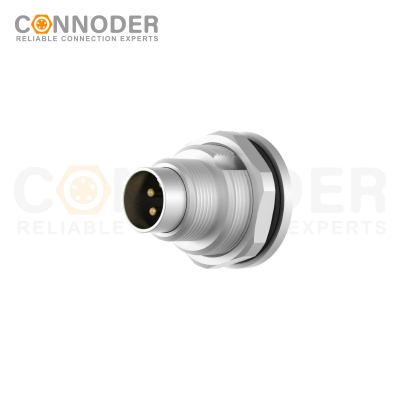
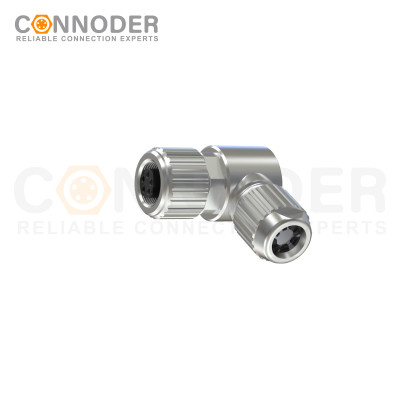
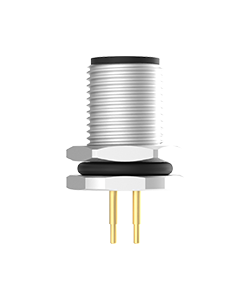
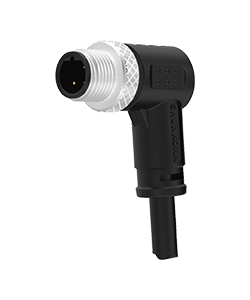
Depending on the product series, M16 connectors may be available in straight, right-angle, cable-mounted, panel-mounted, solder-termination, or other configurations. Choosing the appropriate form helps engineers match the connector to available space, manufacturing processes, cable routing, and maintenance requirements.
Before specifying a particular configuration, verify that the required contact count is available in the chosen mounting and termination style.
Key Technical Factors When Selecting an M16 Multi-Core Connector
A connector's suitability depends on more than its contact count. The following technical considerations should be evaluated before making a final selection.
Contact Count and Pin Assignment
Start by identifying all the electrical circuits that must pass through the connector. Consider the total number of required contacts, the intended pin assignment, any spare contacts needed for future expansion, compatibility with the mating connector, and separation requirements for different circuit types.
Never assume that two connectors with the same number of contacts have identical pinouts or can mate with each other.
Rated Voltage and Current
Voltage and current ratings are product-specific. They depend on factors such as contact geometry, insulation, conductor size, ambient temperature, and the number of simultaneously loaded contacts.
High contact density does not automatically mean high current capacity. When several contacts carry current simultaneously, thermal limitations and manufacturer-specified derating may become important. For power-related applications, consult the relevant datasheet before assigning circuits or finalizing the design.
Contact Materials and Electrical Stability
Contact materials and plating can influence conductivity, corrosion resistance, and long-term contact performance. Gold-plated contacts are used in some connector designs because of their electrical and surface-performance characteristics. Actual performance depends on the contact design, plating specification, operating environment, and mating-cycle requirements.
Engineers should review the manufacturer's material specifications rather than relying on plating descriptions alone.
Environmental Protection: IP67 and IP68
In industrial environments, connectors may be exposed to dust, moisture, and occasional water immersion. Some M16 connector models provide IP67 or IP68 protection, but these ratings must be verified for the exact product and test conditions.
IP67: Generally indicates dust-tight protection and protection against temporary immersion under specified test conditions.
IP68: Indicates dust-tight protection and immersion protection under conditions specified for the applicable product.
Protection depends on the complete installation, including mating conditions, sealing components, cable entry, and panel mounting where applicable. For outdoor machinery or wet environments, confirm the relevant rating and installation requirements before selecting a connector.
Operating Temperature and Mechanical Life
Operating temperature, corrosion resistance, mating-cycle life, and vibration performance can affect connector service life. If the application involves frequent connection and disconnection, large temperature fluctuations, or continuous vibration, review the product's documented performance under those conditions.
Do not apply a specification from one M16 model to the entire connector family.
Industrial Applications of M16 High-Pin-Count Connectors
M16 multi-core connectors can be considered for a range of applications where several electrical circuits need to be connected through a compact interface. The appropriate configuration depends on the actual electrical, mechanical, and environmental requirements of each application.
Industrial Automation and Machine Control
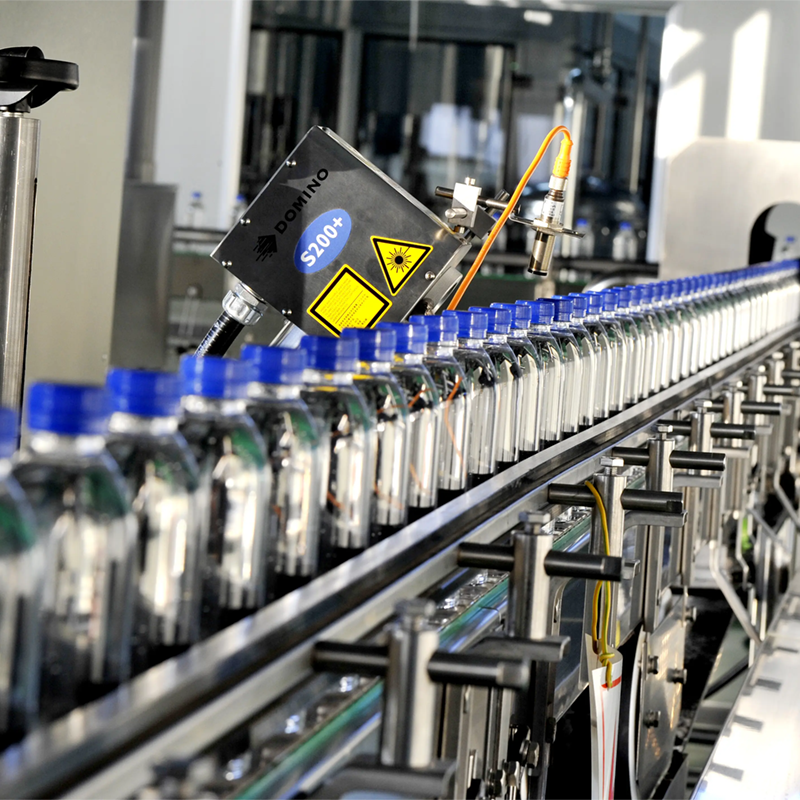
Automated machinery frequently uses sensors, feedback devices, control modules, and auxiliary circuits. A high-pin-count M16 connector can help group compatible connections between equipment modules, reducing the need for separate interfaces in suitable designs.
When selecting a connector for automation equipment, consider contact count, electrical ratings, cable routing, shielding requirements, and mechanical retention.
Sensors and Instrumentation
Measurement systems may need to connect several signals or combine measurement outputs with auxiliary circuits. M16 connectors may be appropriate when the selected contact configuration meets the instrumentation's electrical and mechanical requirements.
For sensitive signals, engineers should also consider contact stability, grounding, cable shielding, and signal-integrity requirements.
Communication and Monitoring Equipment
Some M16 connector variants are used in communication-related and monitoring equipment. However, a high contact count alone does not establish suitability for high-speed data transmission. Engineers should verify the connector's electrical characteristics, coding, impedance requirements, and compatibility with the intended communication protocol.
Industrial Lighting and Electronic Equipment
Compact electronic devices and industrial lighting assemblies may benefit from organized, detachable electrical connections. Depending on the design, an M16 connector can provide a convenient interface for power, control, or auxiliary circuits.
The selected model must meet the required electrical ratings and environmental conditions, particularly for outdoor or moisture-exposed installations.
Customized OEM Equipment
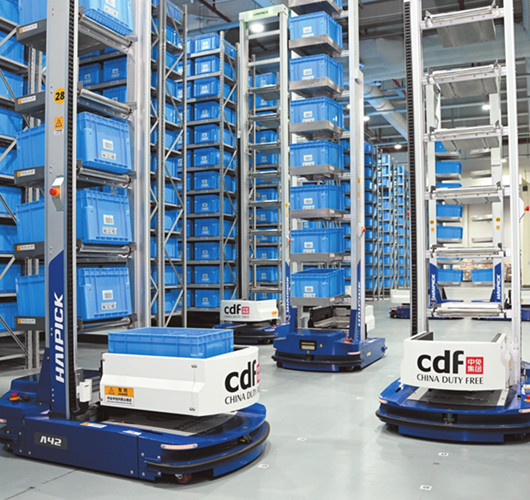
Original equipment manufacturers often have specific requirements for cable length, connector orientation, contact arrangement, and installation dimensions. A customized connector or cable assembly may help align the electrical interface with the overall equipment design.
Before ordering, provide the manufacturer with drawings, electrical specifications, and operating conditions to confirm feasibility.
How to Choose the Right M16 Multi-Core Connector
Selecting a suitable connector becomes easier when the decision follows a structured process.
Step 1: Define the Electrical Requirements
List all the circuits that need to pass through the connector. Identify the required contact count, rated voltage, operating current, and any special signal requirements.
Step 2: Select the Contact Configuration
Choose a contact arrangement that meets the current requirements and allows for any necessary spare contacts. Do not select a 24-contact connector simply because it offers the maximum contact count. The best configuration is the one that meets the application's requirements without unnecessary complexity.
Step 3: Determine the Mounting and Termination Method
Decide whether the application requires a cable-mounted connector, panel-mount receptacle, PCB connection, or pre-assembled cable solution. The termination method should match the assembly process, available installation space, and maintenance requirements.
Step 4: Assess the Operating Environment
Review exposure to moisture, dust, vibration, temperature changes, corrosion, and electromagnetic interference. Choose the appropriate protection and shielding features based on verified product specifications.
Step 5: Confirm Mating Compatibility
Check the connector series, contact arrangement, gender, interface dimensions, and mechanical compatibility. The M16 designation alone is not sufficient to establish compatibility between different products.
Step 6: Verify the Product Documentation
Before production, review the current datasheet, dimensional drawings, electrical ratings, and any required test reports. Where necessary, obtain samples and validate the connector in the intended equipment.
M16 Connector Selection Checklist
Required contact count and pin assignment confirmed.
Voltage and current ratings verified.
Cable type and diameter specified.
Mounting and termination style selected.
IP rating and environmental conditions reviewed.
Shielding and grounding requirements defined.
Mating compatibility checked.
Datasheet, drawings, and sample testing completed where needed.
Conclusion: Choosing the Right M16 Multi-Core Connector for Your Project
High-pin-count applications require a careful balance between contact density, electrical performance, installation space, and environmental protection.
The M16 multi-core connector can provide an effective connection option when multiple circuits need to be consolidated into a compact circular interface. Its suitability depends on the specific contact arrangement, electrical ratings, mounting style, shielding requirements, and operating environment.
For engineers and purchasing professionals, the best starting point is to define the application requirements and verify each candidate product against those requirements.
CONNODER offers a range of industrial circular connector solutions, including M16 connectors and related customization services. If you are developing new equipment or optimizing an existing electrical connection system, CONNODER can be a starting point for discussing your product requirements.
What is an M16 multi-core connector?
An M16 multi-core connector is a circular electrical connector designed to connect multiple electrical circuits through a single interface. It is used in industrial automation, instrumentation, control equipment, and other applications that require organized, detachable electrical connections.
How many pins can an M16 multi-core connector support?
The available pin count depends on the connector series and manufacturer. Some M16 connector models offer high-density configurations with up to 24 contacts. Always check the product datasheet to confirm the available pin arrangements and electrical ratings.
What are the main applications of M16 multi-core connectors?
M16 multi-core connectors can be used in industrial automation systems, machine control equipment, sensors, instrumentation, monitoring devices, and customized OEM equipment. The appropriate model depends on the required contact count, electrical performance, installation method, and operating environment.
Are M16 multi-core connectors suitable for harsh industrial environments?
Selected M16 connector models are designed for demanding industrial environments and may offer features such as environmental sealing, metal housings, or electromagnetic shielding. The actual protection level, temperature range, and vibration performance must be verified for the specific model and installation conditions.
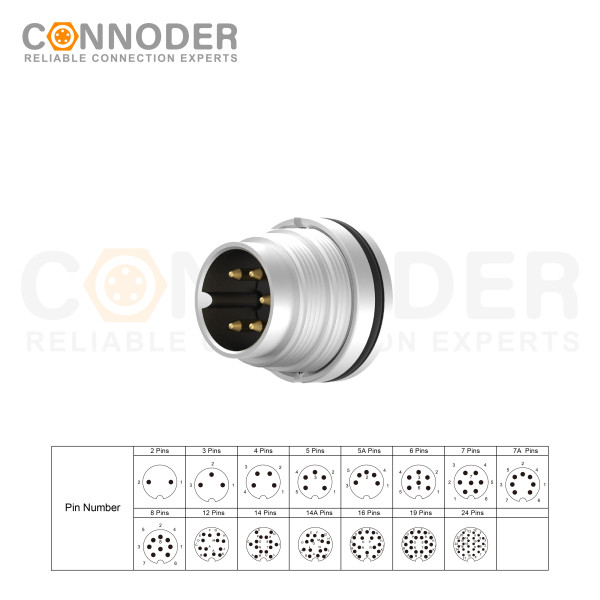
M16 6 Pin Circular Connector A-Code Interface, Waterproof Connector Receptacle Cable, Straight, Front-Locking, Unshielded
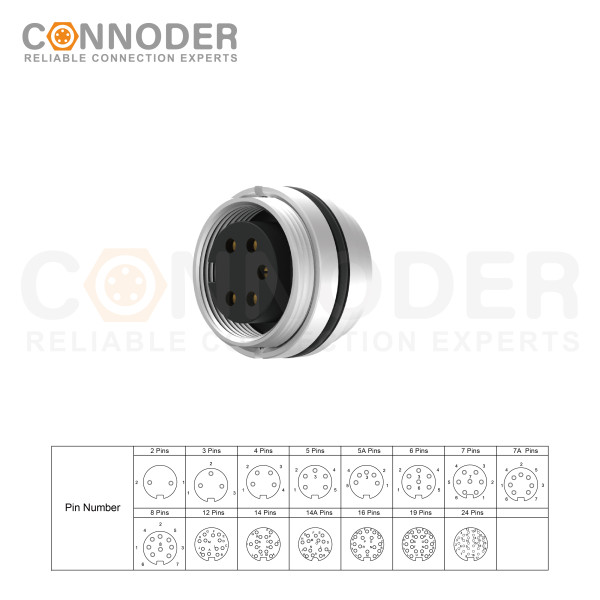
M16 6 Pin Circular Connector assemblies are ideal for demanding industrial applications such as industrial automation and aerospace, marine, and telecom systems.
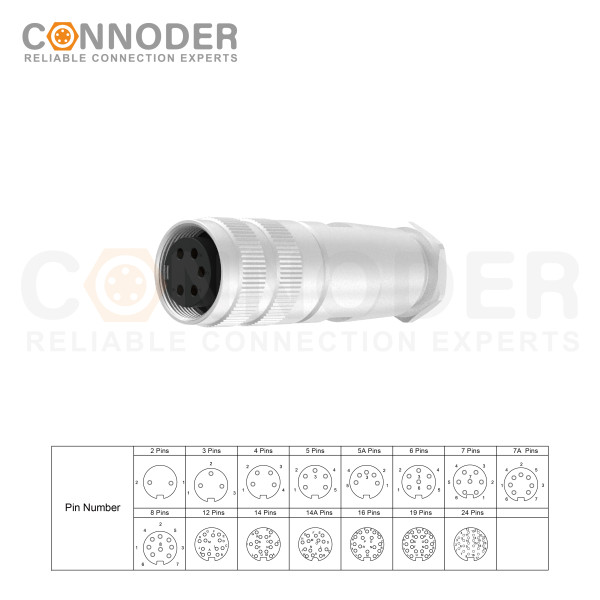
M16 6 Pin Circular Connector are ideal for demanding industrial applications such as industrial automation and aerospace, marine, and telecom systems. M16 Circular Connector are available in quick-lock wiring assembly types with IP67 protection and a vibration-resistant screw design.
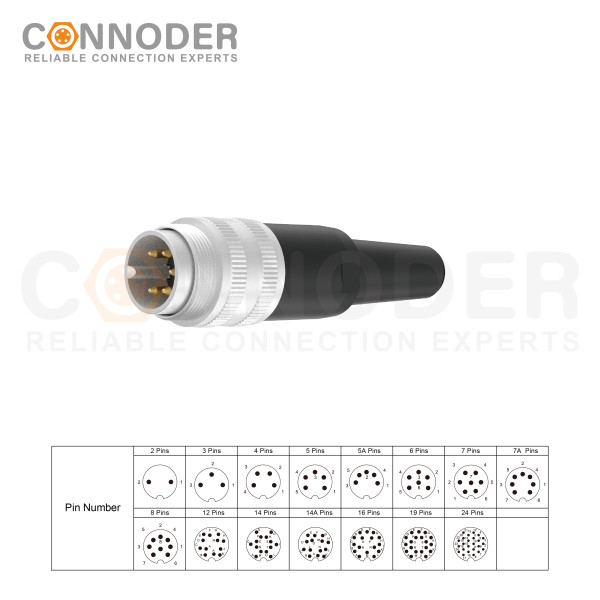
M16 6 Pin Circular Connector are ideal for demanding industrial applications such as industrial automation and aerospace, marine, and telecom systems. M16 Sensor connector are available in quick-lock wiring assembly types with IP67 protection and a vibration-resistant screw design.