













Manufacturing Steps of Circular Connectors
Manufacturing Steps of Circular Connectors
Introduction
The manufacturing of circular connectors is a precision-driven engineering process that combines product design, material selection, tooling development, metal processing, injection molding, plating, assembly, testing, and quality control. From compact sensor interfaces to larger industrial power and signal connectors, each component must be manufactured accurately and assembled consistently to support reliable electrical and mechanical performance.
A typical circular connector may include conductive contacts, insulating inserts, metal or plastic housings, locking components, sealing structures, and cable termination parts. Understanding the manufacturing steps of circular connectors can help engineers and purchasing teams evaluate not only product specifications, but also a manufacturer's engineering capability, process control, testing resources, and long-term supply capability.
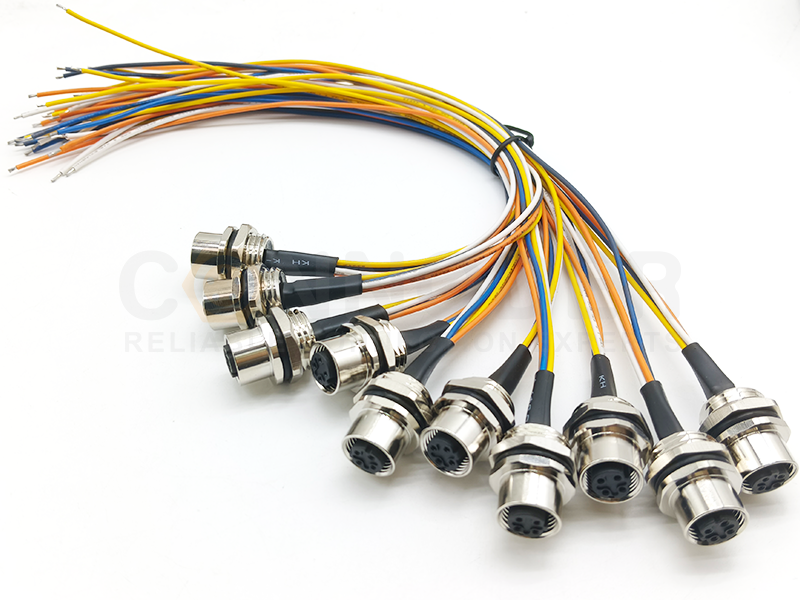
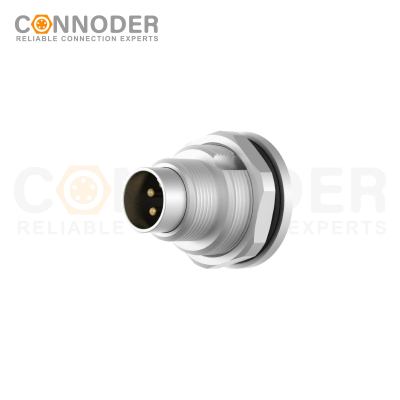
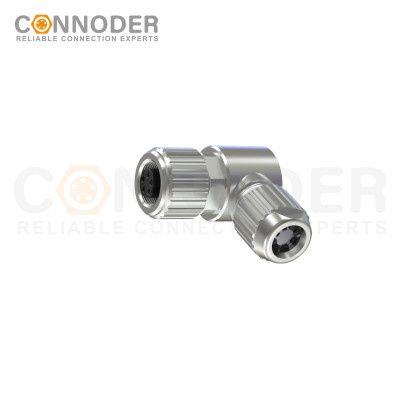
Circular Connectors
Rugged, compact and versatile — ideal when you need mixed power & signal plus environmental protection.
Product Design and Engineering
Every circular connector begins with an engineering concept. Before production starts, the manufacturer defines the electrical, mechanical, and environmental requirements of the product.
Connector size and interface
Number of contacts and pin layout
Rated voltage and current
Termination method and cable requirements
Shielding and protection requirements
Operating temperature and application environment
Mating, locking, and installation requirements
Design for Manufacturability is especially important because a connector must not only perform well in theory but also be manufactured consistently at scale. Tolerance analysis, material evaluation, tooling requirements, and assembly methods should therefore be considered during product development.
Why Engineering Accuracy Matters
Small dimensional variations can affect contact alignment, insertion force, mating reliability, waterproof sealing, electrical continuity, and mechanical retention. For industrial circular connectors, engineering decisions should also reflect the actual operating environment.
Selecting Materials for Circular Connectors
Material selection forms the foundation of connector performance. Different components require different combinations of conductivity, strength, insulation, corrosion resistance, temperature stability, and durability.
Materials for Electrical Contacts
Contacts are commonly manufactured from conductive metals or copper-based alloys selected according to electrical conductivity, mechanical strength, formability, elasticity, wear resistance, and long-term contact stability.
Materials for Housings and Insulators
Depending on the connector design, housings may use engineering plastics or metal-based materials, while insulating inserts require materials with stable electrical insulation and dimensional performance.
Materials for Sealing Components
For connectors designed for demanding environments, sealing materials may be selected according to water resistance, dust protection, temperature resistance, chemical resistance, and long-term elasticity requirements.
Tooling, Dies, and Mold Development
Before mass production begins, precision manufacturing tools must be developed. These may include progressive stamping dies, injection molds, metal forming tools, assembly fixtures, inspection fixtures, and automated production equipment.
Tooling accuracy directly influences contact alignment, dimensional consistency, mating performance, contact retention, and sealing quality.
Manufacturing Metal Contacts and Structural Components
Metal components are among the most critical parts of a circular connector. These may include pins, sockets, terminals, threaded components, metal shells, and retention structures.
Precision Metal Stamping
For high-volume production, contacts can be manufactured from metal strip using precision stamping. The material passes through a series of dies that perform operations such as cutting, punching, piercing, bending, and forming.
Precision Machining
Some connector components may require turning, drilling, milling, or threading to achieve complex geometries or tight dimensional requirements.
Component Inspection
Critical metal components can be checked for dimensional accuracy, surface condition, burr control, structural integrity, and consistency before moving to the next production stage.
Electroplating and Surface Treatment
After metal contacts are manufactured, surface treatment may be applied to improve corrosion resistance, surface durability, electrical contact stability, and solderability where required.
Nickel plating
Gold plating
Tin plating
Other application-specific surface treatments
Why plating matters: Stable plating quality can help protect the contact surface from oxidation and wear while supporting reliable electrical performance over repeated mating cycles.
Injection Molding of Insulators and Connector Components
Injection molding is a major manufacturing technology for circular connectors. Precision-molded components may include insulating inserts, plastic housings, internal structural parts, cable-related components, and contact retention structures.
Prepare the selected polymer material.
Heat the material to a suitable processing condition.
Inject the material into a precision mold.
Cool and solidify the component.
Remove the molded part.
Inspect dimensions and appearance.
Precision molding can influence pin alignment, contact spacing, electrical insulation, mechanical retention, and mating accuracy.
Circular Connector Assembly
After individual components are manufactured, they are assembled into the finished connector.
Contact insertion
Insulator installation
Housing assembly
Seal installation
Coupling component installation
Cable termination
Final mechanical fitting
Depending on the product and production volume, assembly may be manual, semi-automated, or fully automated. Automated assembly and machine vision inspection can help improve repeatability and production consistency.
Electrical, Mechanical, and Environmental Testing
Manufacturing is not complete when the connector has been assembled. Testing verifies whether the finished product meets its intended performance requirements.
Electrical Testing
Contact resistance
Insulation resistance
Electrical continuity
Dielectric or voltage-related testing where applicable
Mechanical Testing
Insertion and withdrawal force
Contact retention
Mating cycles
Mechanical durability
Environmental Testing
Depending on the connector's intended application, testing may also evaluate resistance to water, dust, temperature changes, vibration, corrosion, and other environmental conditions.
Quality Control and Traceability
Reliable connector manufacturing requires quality management throughout the production process rather than relying only on final inspection.
Incoming Material Inspection
Manufacturers may inspect metal materials, polymer materials, purchased components, and supporting documentation before production.
In-Process Inspection
Quality checks can be performed during stamping, machining, plating, injection molding, and assembly to identify problems before they affect larger production batches.
Final Product Inspection
Finished connectors may be inspected for appearance, dimensions, electrical performance, mechanical operation, and product identification.
Final Inspection, Packaging, and Delivery
After qualified products pass the required inspections, they are prepared for storage and shipment. This may include final appearance checks, quantity verification, product identification, batch management, protective packaging, and shipment preparation.
Proper packaging helps protect circular connectors from mechanical damage, contamination, moisture exposure, and transportation vibration.
Why Manufacturing Quality Matters for Circular Connectors
The reliability of a circular connector depends on both its design and the consistency of its manufacturing process.
Inaccurate contact dimensions can affect mating.
Surface defects can influence electrical connection stability.
Inconsistent plating can reduce corrosion resistance.
Molding variations can affect contact positioning.
Assembly errors can influence sealing and mechanical reliability.
For this reason, engineers and purchasing teams should evaluate a supplier's engineering experience, tooling capability, stamping and molding resources, assembly automation, testing capability, quality management, customization support, and production capacity.
CONNODER: Supporting Industrial Circular Connector Manufacturing
CONNODER focuses on industrial circular connectors, related cable solutions, and customized connectivity requirements. Its product range includes M5, M8, M9, M12, M16, and 7/8 inch circular connector series for industrial connection applications.
According to the company's introduction, CONNODER supports product development and manufacturing through capabilities including mold development, precision high-speed stamping, plastic injection molding, automated assembly, product testing, and quality inspection.
These capabilities help connect engineering requirements with practical production, supporting both standard connector products and application-oriented customization.
What are the main manufacturing steps of circular connectors?
The main manufacturing steps of circular connectors typically include product design, material selection, tooling development, metal contact manufacturing, electroplating, injection molding, connector assembly, performance testing, quality control, and final packaging.
How are circular connector contacts manufactured?
Circular connector contacts are commonly manufactured through precision metal stamping, forming, or CNC machining. After forming, the contacts may undergo surface treatment or electroplating to improve corrosion resistance, durability, and electrical connection stability.
Why is injection molding important in circular connector manufacturing?
Injection molding is used to manufacture insulating inserts, housings, and other structural components. High-precision molding helps maintain accurate contact positioning, electrical insulation, dimensional stability, and reliable connector mating performance.
How do manufacturers test the quality of circular connectors?
Circular connectors may undergo electrical, mechanical, and environmental testing. Common tests include contact resistance, insulation resistance, continuity, insertion and withdrawal force, mating cycle testing, and environmental performance testing based on the connector's application requirements.
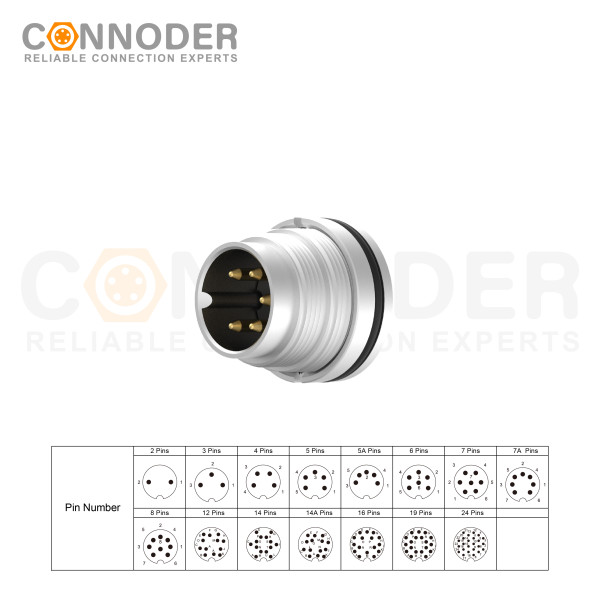
M16 6 Pin Circular Connector A-Code Interface, Waterproof Connector Receptacle Cable, Straight, Front-Locking, Unshielded
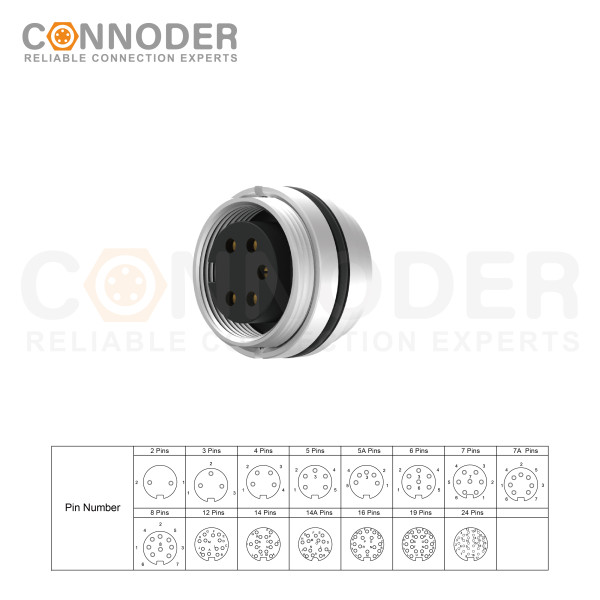
M16 6 Pin Circular Connector assemblies are ideal for demanding industrial applications such as industrial automation and aerospace, marine, and telecom systems.
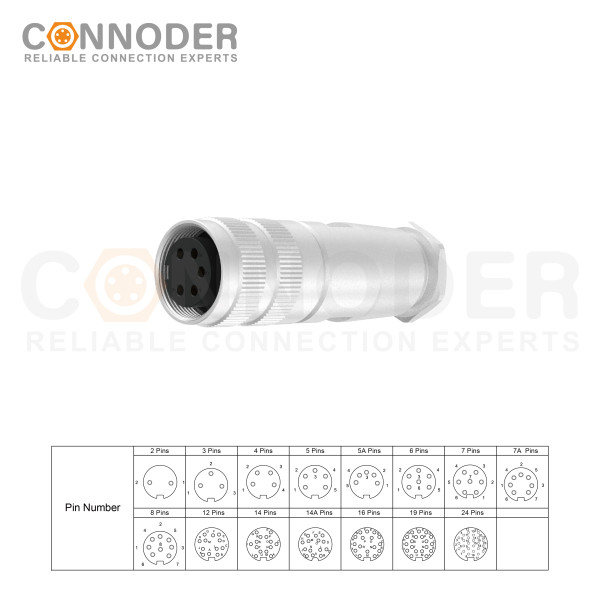
M16 6 Pin Circular Connector are ideal for demanding industrial applications such as industrial automation and aerospace, marine, and telecom systems. M16 Circular Connector are available in quick-lock wiring assembly types with IP67 protection and a vibration-resistant screw design.
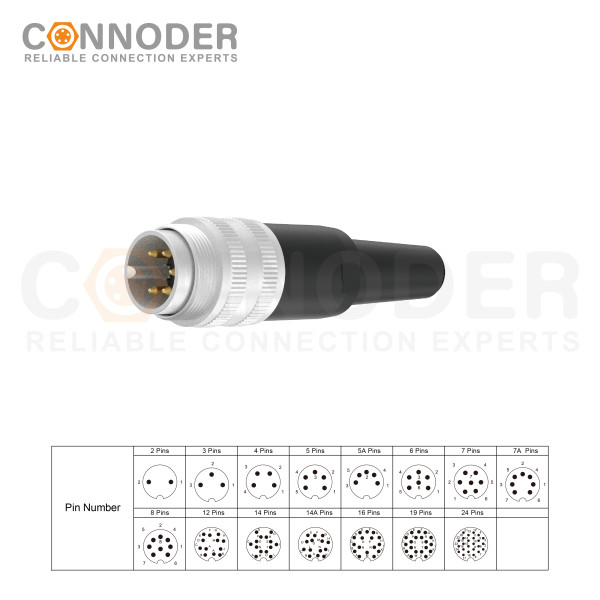
M16 6 Pin Circular Connector are ideal for demanding industrial applications such as industrial automation and aerospace, marine, and telecom systems. M16 Sensor connector are available in quick-lock wiring assembly types with IP67 protection and a vibration-resistant screw design.