













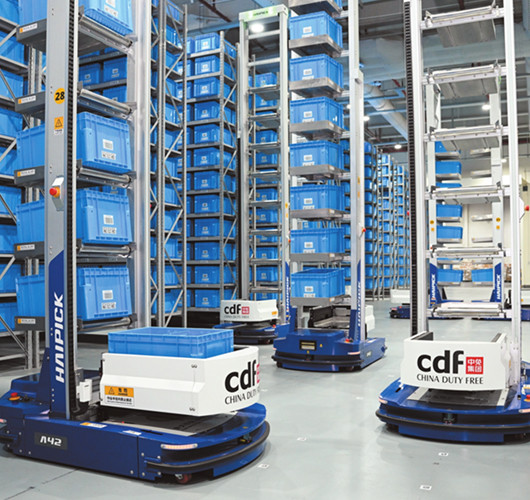
What important roles do connectors play in industrial equipment?
What important roles do connectors play in industrial equipment?
Introduction
In today’s rapidly evolving industrial landscape, connectors play a crucial yet often overlooked role. From automated production lines to advanced robotics and energy systems, connectors ensure seamless communication and reliable power distribution between critical components.
This guide explores the core functions and important roles of industrial connectors, while also helping you understand how choosing the right manufacturer—like Connoder—can significantly improve your system performance.
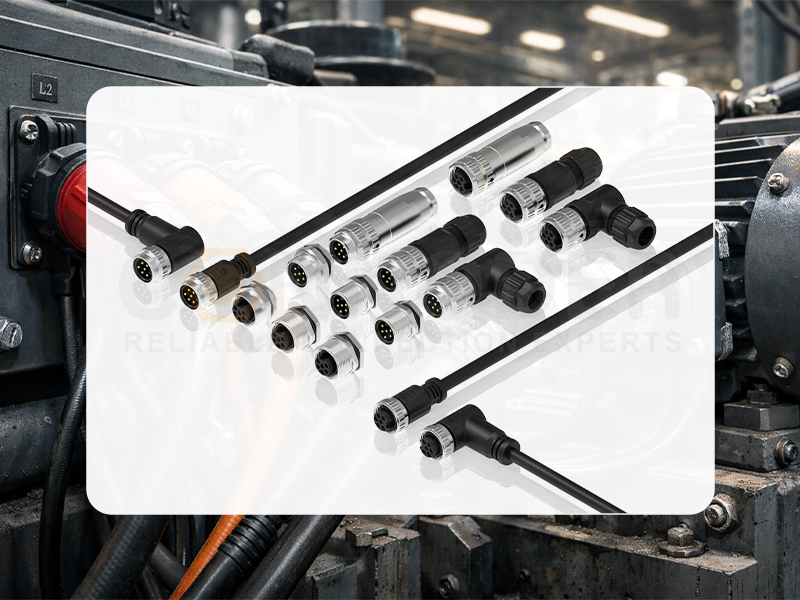
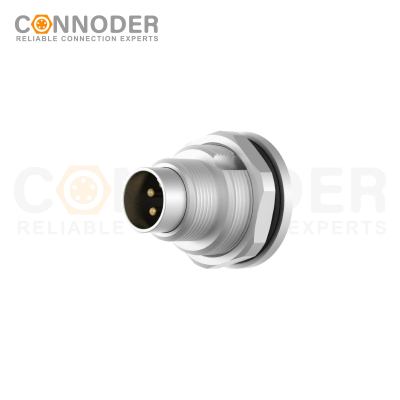
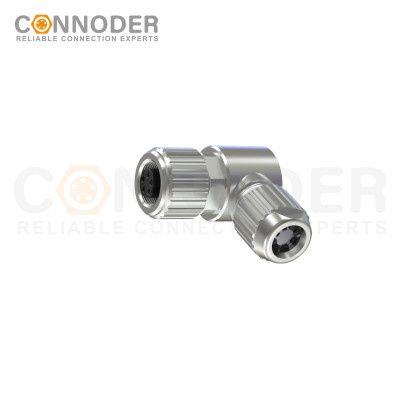
Circular Connectors
Rugged, compact and versatile — ideal when you need mixed power & signal plus environmental protection.
Core Functions of Connectors in Industrial Equipment
1. Power Transmission: Keeping Systems Running
One of the most fundamental functions of connectors is to deliver electrical power across different parts of industrial equipment.
Provides stable and continuous energy supply
Supports high-voltage and high-current applications
Minimizes energy loss and overheating risks
2. Signal Transmission: Enabling Precision Control
Industrial systems rely heavily on accurate signal transmission for monitoring and control.
Connect sensors, PLCs, and actuators
Ensure precise communication between components
Maintain signal integrity in complex environments
3. Data Communication: Supporting Smart Manufacturing
With Industry 4.0 and IoT integration, connectors now handle high-speed data communication.
Enable real-time data exchange
Support Ethernet and industrial communication protocols
Facilitate smart factory operations
4. Environmental Protection: Built for Harsh Conditions
Industrial environments can be extremely demanding, requiring connectors to offer robust protection.
Waterproof and dustproof (IP-rated)
Resistant to temperature fluctuations and corrosion
Prevent short circuits and electrical failures
5. Mechanical Stability: Ensuring Secure Connections
Connectors are designed to remain stable under mechanical stress.
Vibration-resistant designs
Secure locking mechanisms
Reliable performance in heavy-duty environments
Important Roles Connectors Play in Industrial Equipment
Enhancing System Reliability
Reliable connectors ensure continuous operation and reduce the risk of unexpected failures.
Improving Efficiency and Reducing Downtime
Quick installation and replacement
Reduced maintenance complexity
Faster troubleshooting
Supporting Modular System Design
Connectors enable flexible and scalable system architectures, making upgrades easier and more cost-effective.
Ensuring Safety Compliance
High-quality connectors protect against electrical hazards and help meet industry standards.
Applications Across Industries
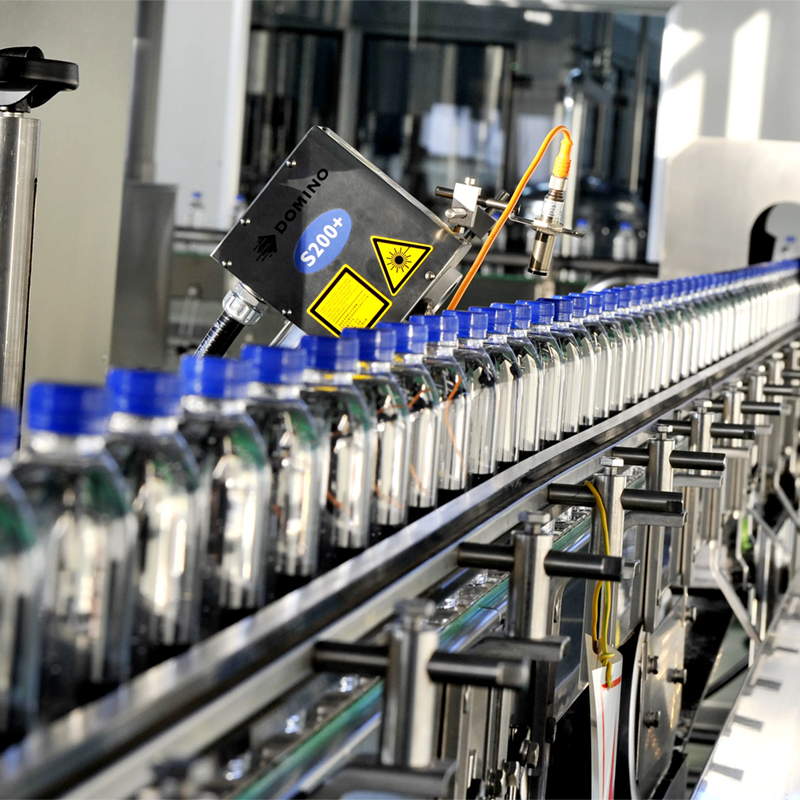
Automation and control systems
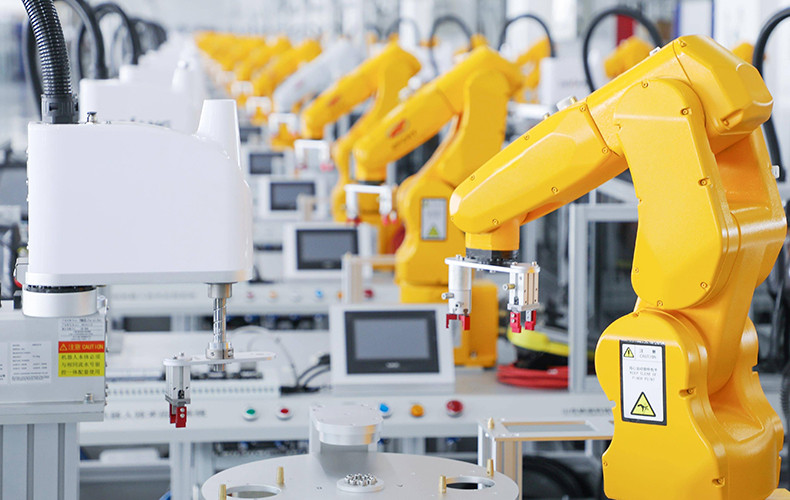
Robotics and smart manufacturing
Renewable energy equipment
Transportation and rail systems
Industrial machinery and control panels
Why Choosing the Right Connector Manufacturer Matters
Not all connectors are created equal. The quality of your connectors directly impacts system performance, safety, and longevity.
About Connoder
Connoder is a professional industrial connector manufacturer specializing in high-performance connectivity solutions.
Extensive experience in connector design and manufacturing
Durable materials for harsh environments
Waterproof and vibration-resistant solutions
Custom OEM/ODM services
Conclusion
Connectors may seem like small components, but they play a vital role in industrial equipment. From transmitting power and signals to ensuring safety and reliability, their functions are essential for modern industrial systems.
Choosing a reliable partner like Connoder ensures that your systems operate efficiently, safely, and with long-term stability.
What are the main functions of connectors in industrial equipment?
The main functions of connectors in industrial equipment include power transmission, signal transmission, and data communication. They ensure stable energy supply, accurate control signals, and reliable data exchange between different components in industrial systems.
Why are connectors important in industrial systems?
Connectors are important because they ensure reliable connections between devices, reduce downtime, improve system efficiency, and enhance safety. High-quality connectors also help maintain stable performance in harsh industrial environments.
How do industrial connectors improve equipment reliability?
Industrial connectors improve reliability by providing secure and stable connections, resisting vibration and environmental factors, and preventing signal loss or power interruption. This helps reduce system failures and maintenance costs.
What roles do connectors play in smart manufacturing and Industry 4.0?
In smart manufacturing, connectors enable high-speed data transmission, real-time monitoring, and seamless communication between machines and systems. They are essential for IoT integration and automated production processes.
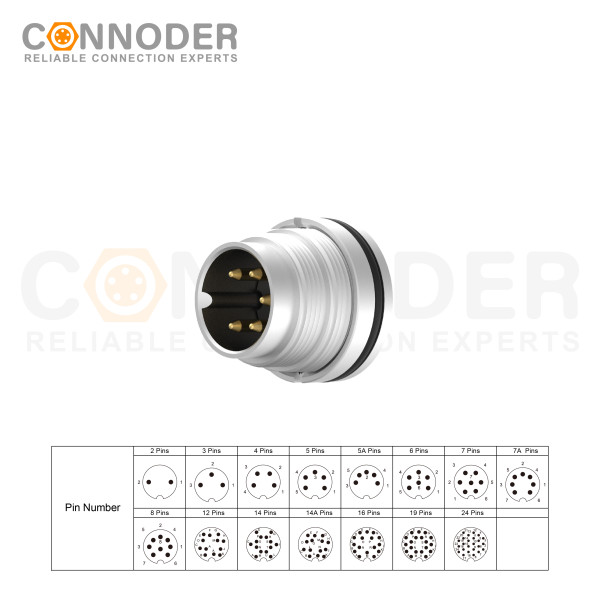
M16 6 Pin Circular Connector A-Code Interface, Waterproof Connector Receptacle Cable, Straight, Front-Locking, Unshielded
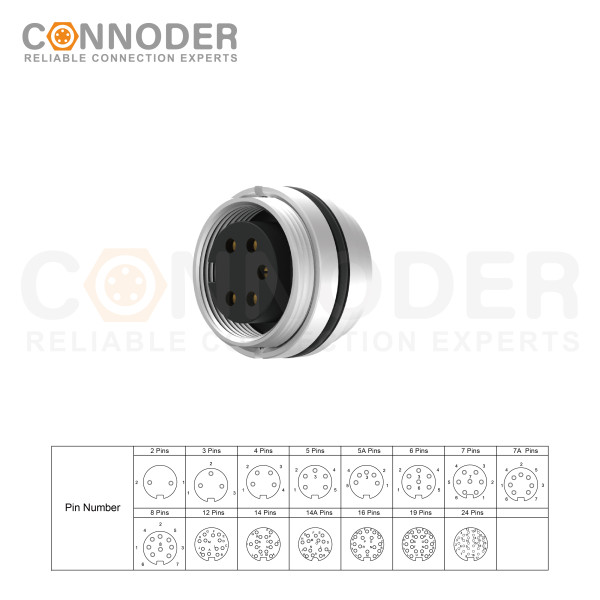
M16 6 Pin Circular Connector assemblies are ideal for demanding industrial applications such as industrial automation and aerospace, marine, and telecom systems.
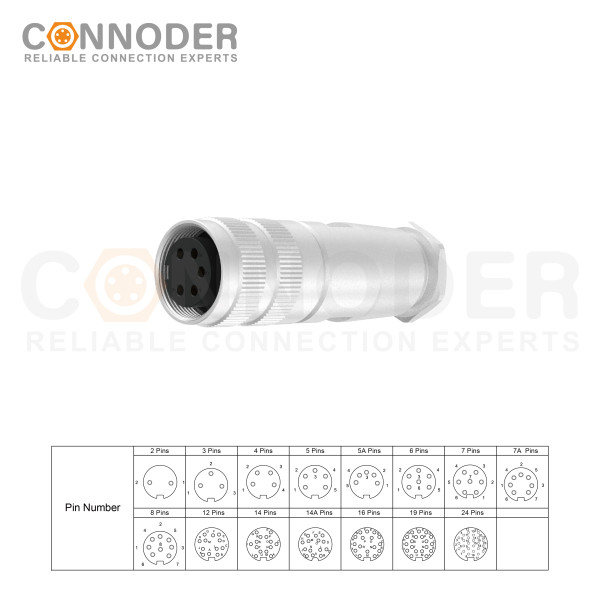
M16 6 Pin Circular Connector are ideal for demanding industrial applications such as industrial automation and aerospace, marine, and telecom systems. M16 Circular Connector are available in quick-lock wiring assembly types with IP67 protection and a vibration-resistant screw design.
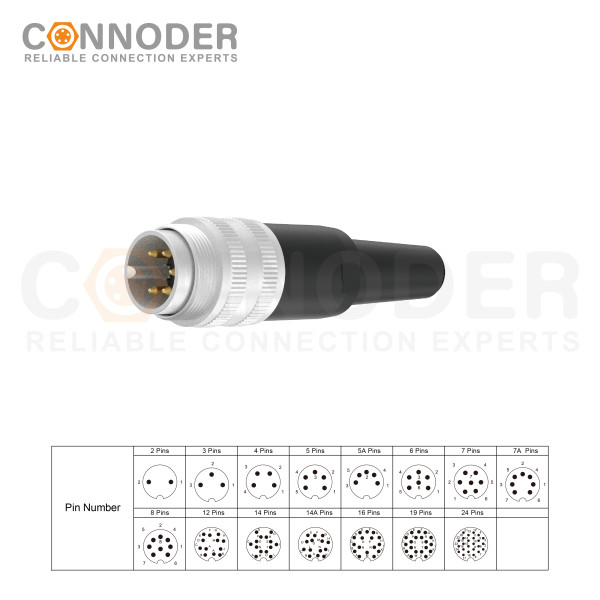
M16 6 Pin Circular Connector are ideal for demanding industrial applications such as industrial automation and aerospace, marine, and telecom systems. M16 Sensor connector are available in quick-lock wiring assembly types with IP67 protection and a vibration-resistant screw design.