













What is an industrial connector? How does it work and what are its functions?
Introduction
Industrial connectors are essential connection interfaces in modern automation and manufacturing systems. They enable reliable power, signal, and data transmission while supporting mechanical retention, environmental protection, installation, and maintenance.
What Is an Industrial Connector?
How Does an Industrial Connector Work?
What Is the Main Function of Industrial Connectors?
Industrial Connectors vs. Traditional Hardwiring
| Feature | Industrial Connectors | Traditional Hardwiring |
|---|---|---|
| Connection | Detachable | Generally permanent |
| Installation | Faster for connectorized systems | More manual wiring |
| Maintenance | Easier disconnection | May require rewiring |
| Equipment transportation | Convenient | More labor-intensive |
| Machine modularity | High | Lower |
| Reconfiguration | Easier | More complicated |
What Are the Main Types of Industrial Connectors?
Power Connectors
Designed primarily for electrical power transmission. Key considerations include current, voltage, contact configuration, cable size, thermal performance, and environmental protection.
Signal Connectors
Used for sensors, actuators, control signals, and other electrical interfaces where contact reliability, signal integrity, shielding, and pin configuration may matter.
Data Connectors
Provide physical interfaces for industrial communication systems such as Industrial Ethernet and other networking technologies.
Hybrid Connectors
Combine multiple connection functions, such as power, signal, and data, within one connection system.
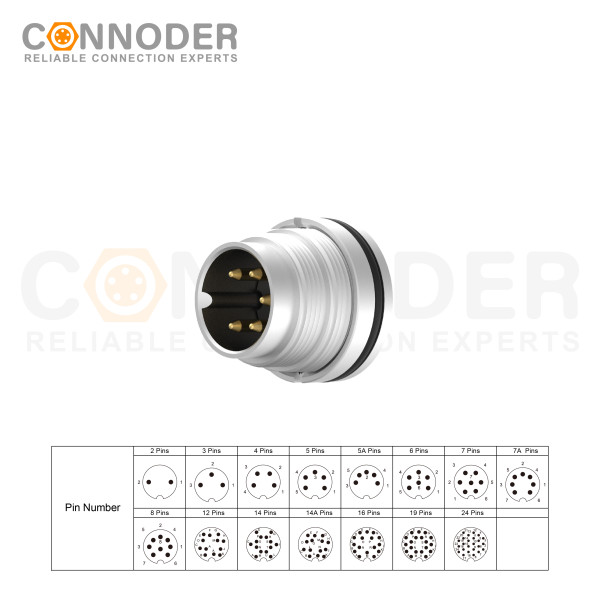
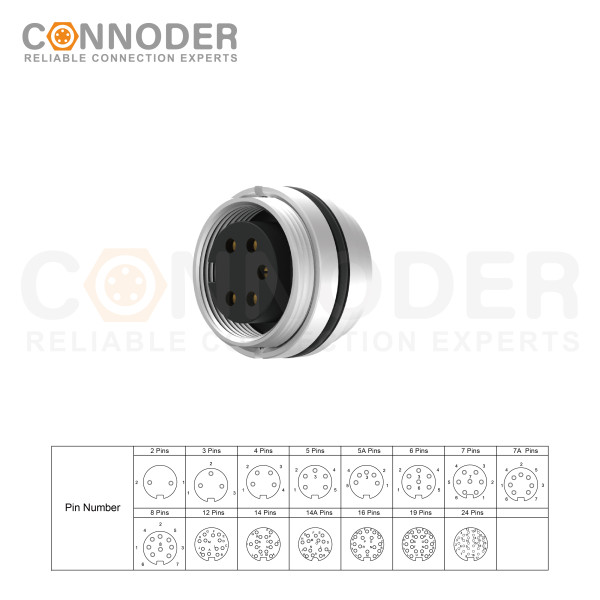
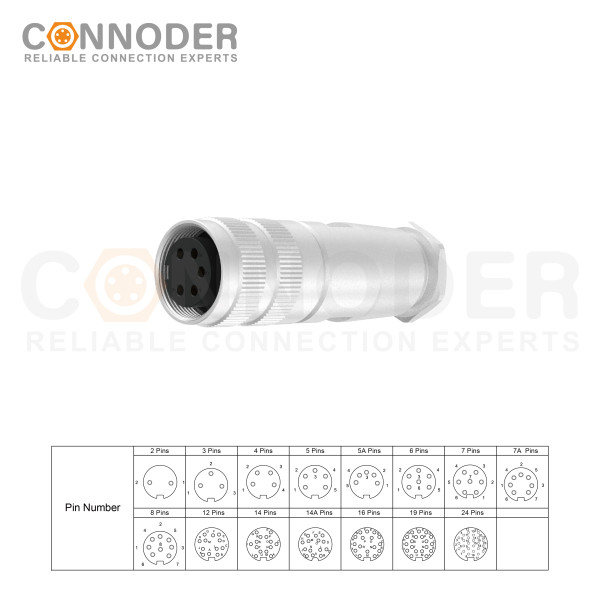
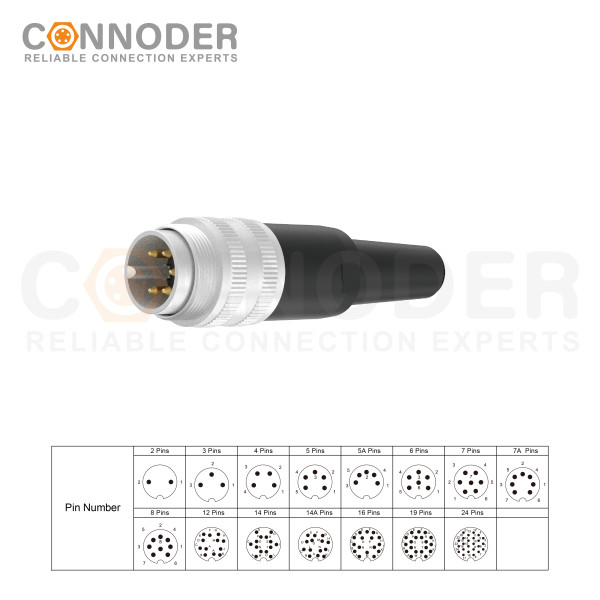
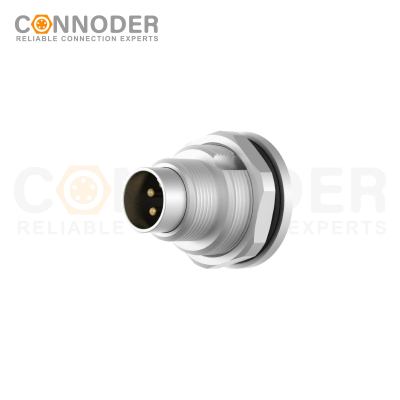
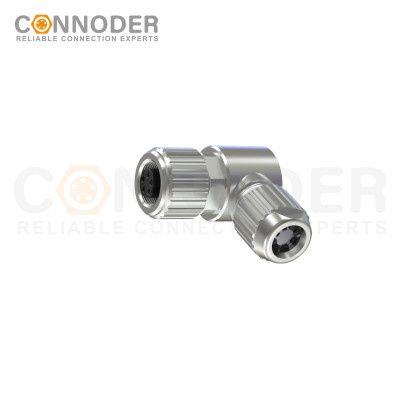
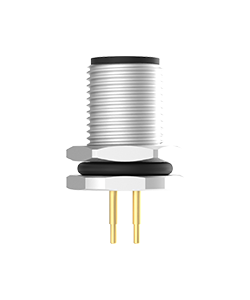
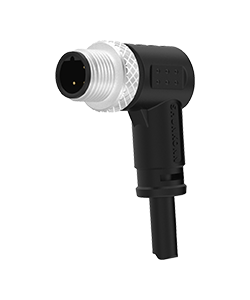
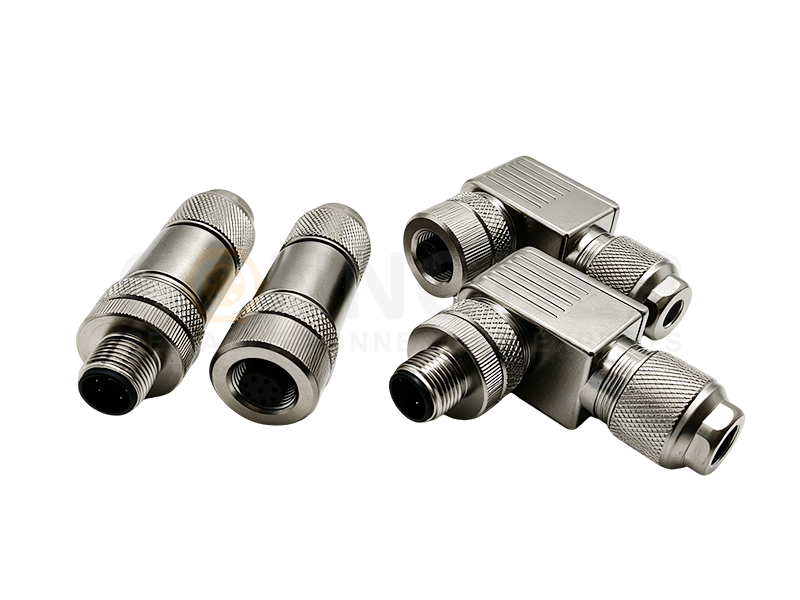
Circular Industrial Connectors and Their Role in Automation
Why the Function of Industrial Connectors Matters
Conclusion